


Originally Published as: Legacy Metals: From In-House Solution to Standalone Roll-Forming Success
Legacy Metals’ story is rooted in a long tradition of craftsmanship, entrepreneurship, and steady growth—one that began decades before the company itself took shape. What is now a dedicated roll-forming operation grew naturally from a family business with deep ties to construction and fabrication. Today, Legacy Metals reflects how thoughtful investment, a focus on quality, and strong customer relationships can turn an internal support function into a successful standalone business.
The foundation was established in 1984, when Sylvan Stoltzfus founded Pine Creek Structures, a company focused on building storage sheds. Over time, the business expanded to include three manufacturing plants, building a reputation for dependable products and steady service. In 1995, Sylvan’s son, Amos Stoltzfus, took over operations, continuing that momentum while identifying new opportunities for growth. A decade later, Pine Creek Construction was launched to focus on larger-scale projects such as pole buildings and horse barns, further broadening the company’s reach.
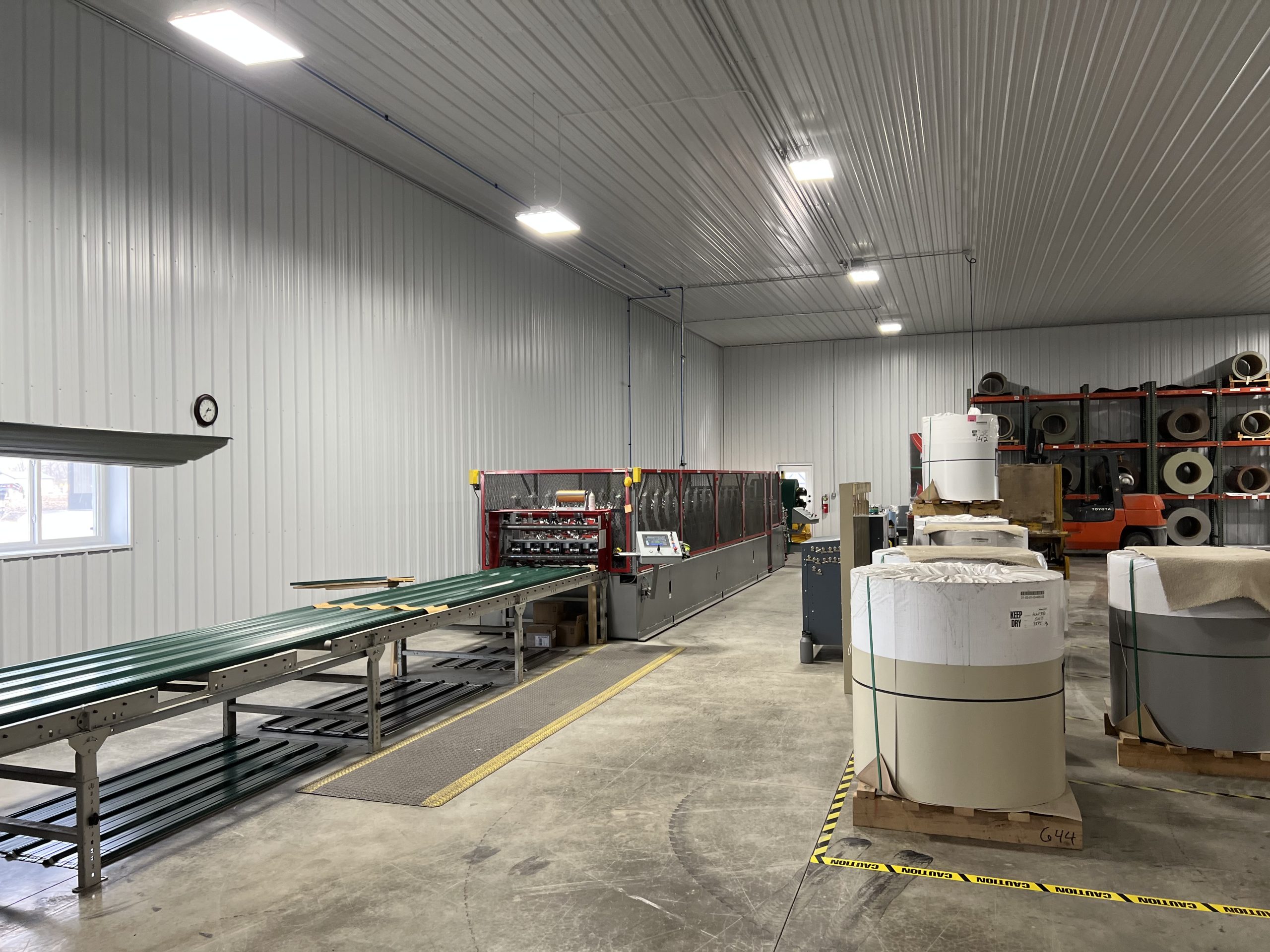
For many years, both Pine Creek Structures and Pine Creek Construction sourced metal panels and trim from outside suppliers. That changed in 2015 with the purchase of the company’s first roll former from Acu-Form/Paint Valley Parts—an investment initially intended to support internal needs.
www.legacymetalspa.com
“We started buying roll formers to fabricate metal and trim only for Pine Creek Construction and Pine Creek Structures,” said Bobby Ebersole, sales and production manager at Legacy Metals. “At that time, it was really about supplying our own jobs.”
It didn’t take long to recognize the broader potential. By 2018, the company had expanded its capabilities with a full line of trims and the addition of a Jorns folder. Production quality was strong, and output was consistent—enough to prompt a new line of thinking.
“It was going so well, and we were looking for ways to help offset the overhead costs from buying the machines,” Ebersole said. “That’s when we started exploring outside sales.”
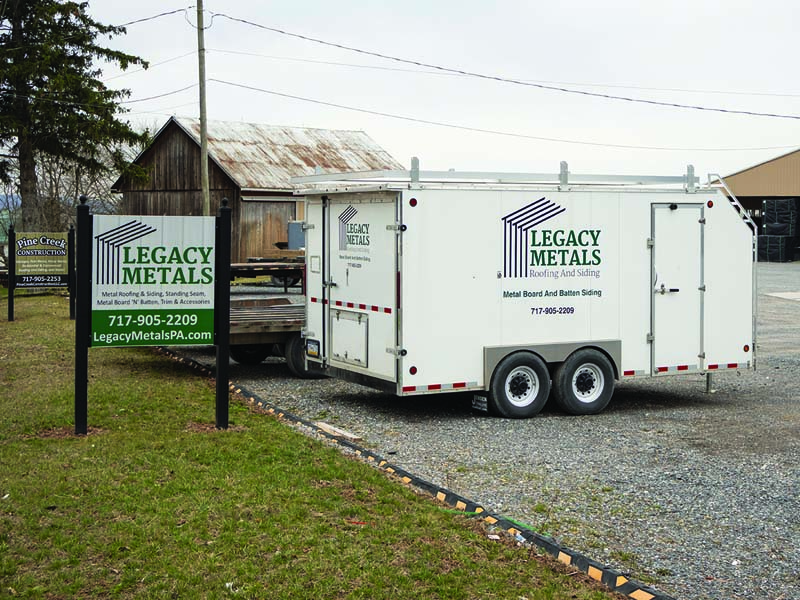
That shift marked the beginning of a new phase. Demand continued to grow, both internally and from external customers, and the metal operation steadily gained traction. On April 1, 2024, the business was formally established as Legacy Metals—still part of the broader Pine Creek family of companies, but with its own identity and focus.
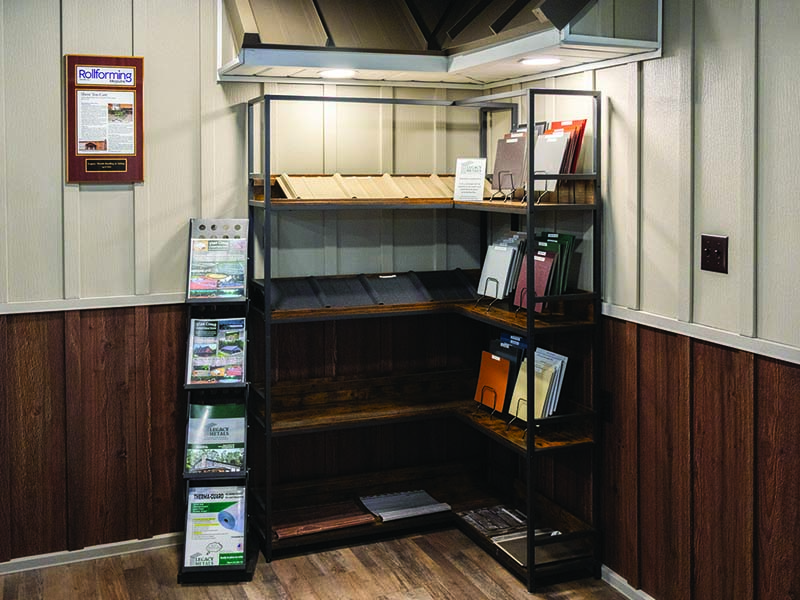
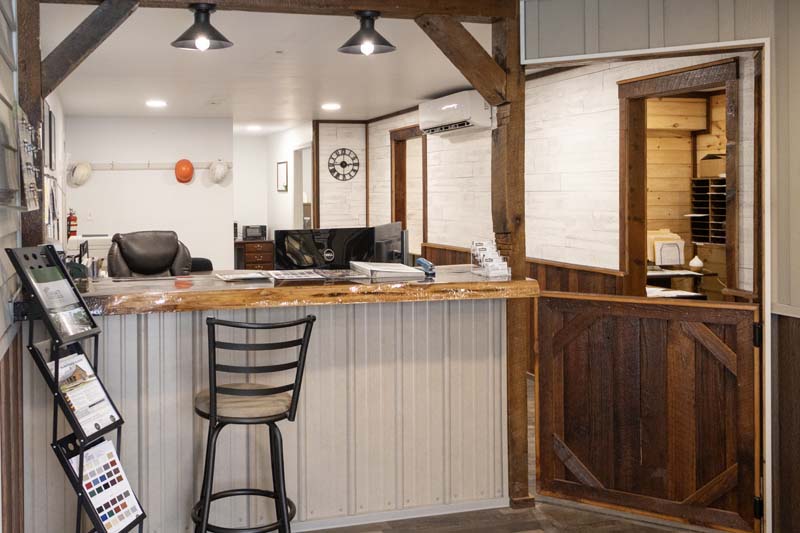
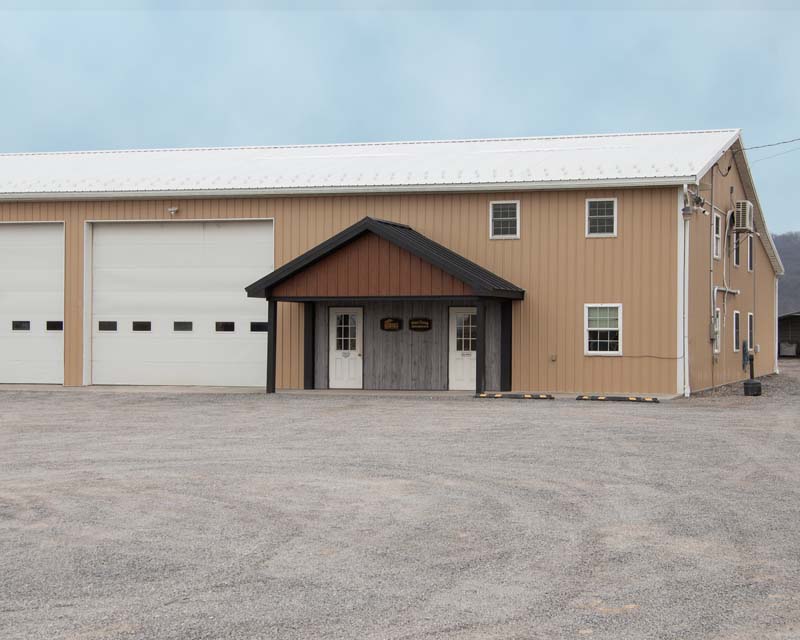
Amos Stoltzfus remains the owner, with Pine Creek Structures, Pine Creek Construction, and Legacy Metals operating as sister companies. Ebersole, who joined the business in 2020 working in the metal shop, now oversees both sales and production. The metal shop itself is a tight-knit team of three full-time employees, each playing a key role in day-to-day operations.
Legacy Metals primarily serves customers in upper Dauphin County and lower Northumberland County, Pennsylvania, though its delivery area extends as needed. The company offers free delivery within its local valley and works to remain flexible for customers with projects farther afield.
“We offer free delivery in our community, but we’ll deliver wherever our customers need us to,” Ebersole said.
That flexibility is part of a broader emphasis on customer service—an area the team views as essential to its success. Quick turnaround times and responsiveness are central to that commitment.
“If someone comes in and needs a few pieces of metal and trim, we can usually take care of that right away,” Ebersole said. “We aim for a 24-hour turnaround or less. Orders placed before 2 p.m. are typically ready the next day. That level of service is something we take seriously.”
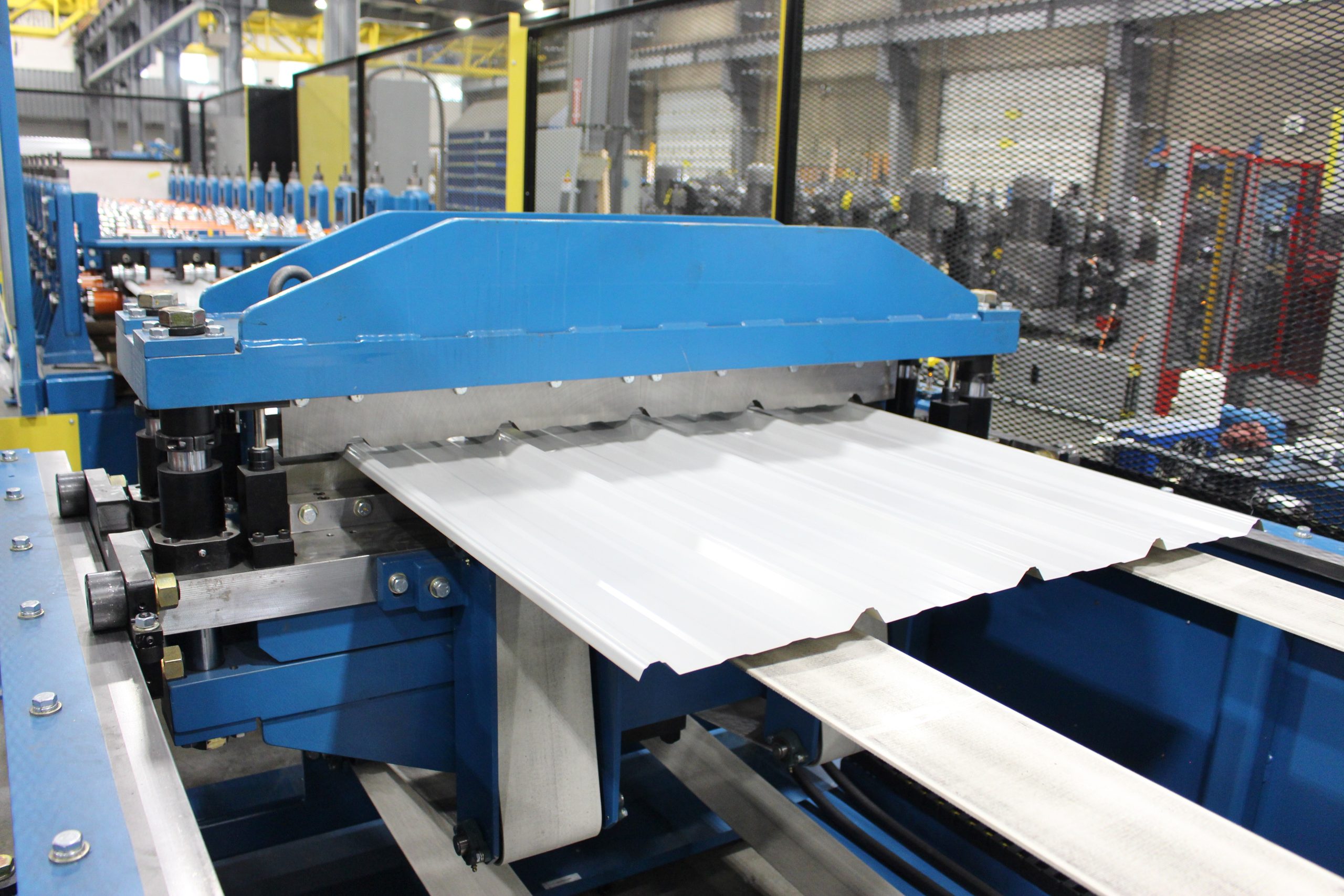
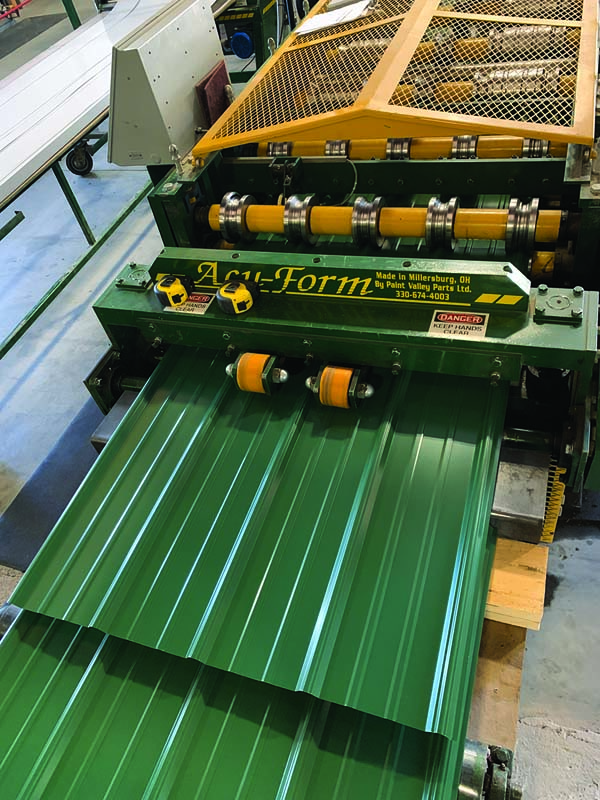
As the business has grown, so has its equipment lineup, reflecting a careful and deliberate approach to expanding capabilities. Early investments included an agricultural panel roll former, rat guard machine, J-channel machine, and ridge cap machine—all from Acu-Form. Those machines remain core to the operation today, supported by additional Acu-Form equipment for producing rake and corner trim, gutter apron, residential rake, fascia and J-channel trim, and overhead door trim. A hydraulic-electric combination roll former and uncoiler helps maintain consistent production, while electric-powered auxiliary machines support efficiency across the shop.
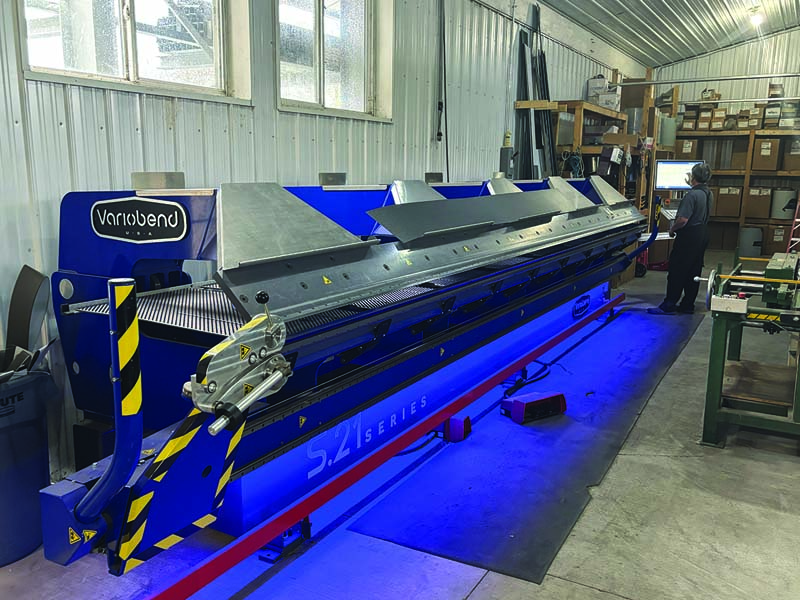
One of the most impactful upgrades came in late 2024, when the company replaced its used Jorns folder with a 21-foot Variobend folder from Hershey’s Metal Meister. For Ebersole, the upgrade reinforced a lesson learned over time.
“I would’ve invested in a quality folder much earlier,” he said. “The accuracy you get with a good folder makes a big difference. If your trim isn’t right, customers notice—and they’ll go somewhere else.”
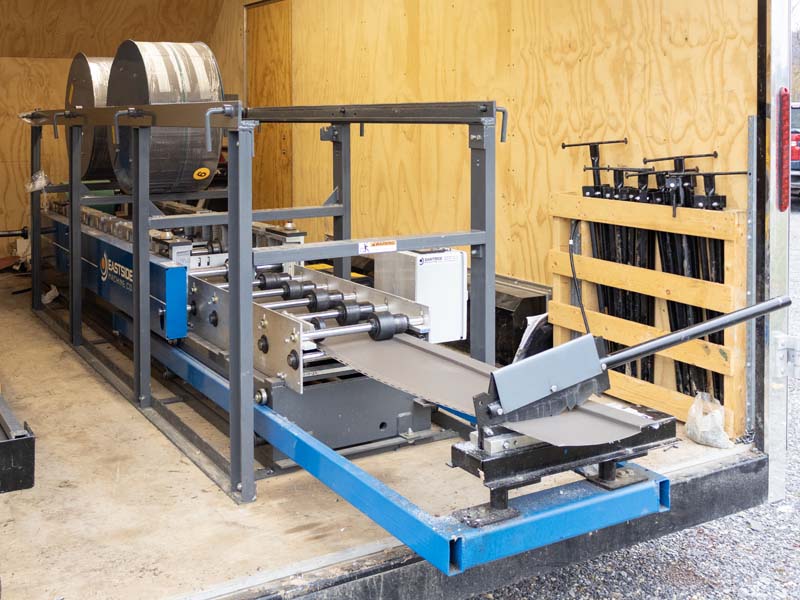
In addition to in-shop production, Legacy Metals has expanded into mobile roll forming for specialized applications. A New Tech Machinery SSQ standing seam machine allows the team to form panels on-site, reducing handling and accommodating longer panel lengths. The company also operates an Eastside Machinery board-and-batten machine, complete with an embosser, to meet demand for vertical siding profiles. A soffit machine from Roll Former LLC rounds out the offering, producing double 6-inch solid or fully vented panels.
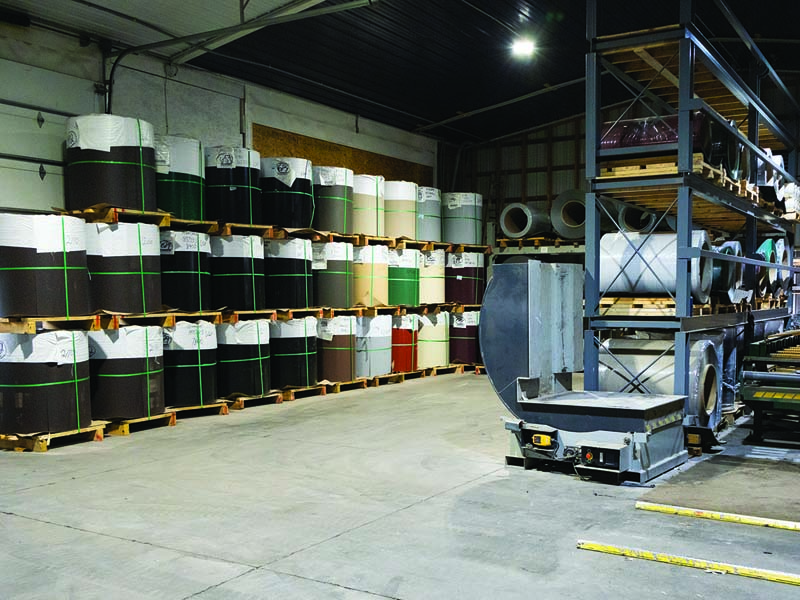
While equipment plays a critical role, Ebersole emphasizes that material quality is just as important. Legacy Metals sources its steel coils from Hixwood, a supplier the company has worked with since its early days.
“We feel it’s a superior coil, and that matters to us,” he said. “It has Beckers coatings, and we believe it results in a better finished product. Quality starts with what you put into it.”
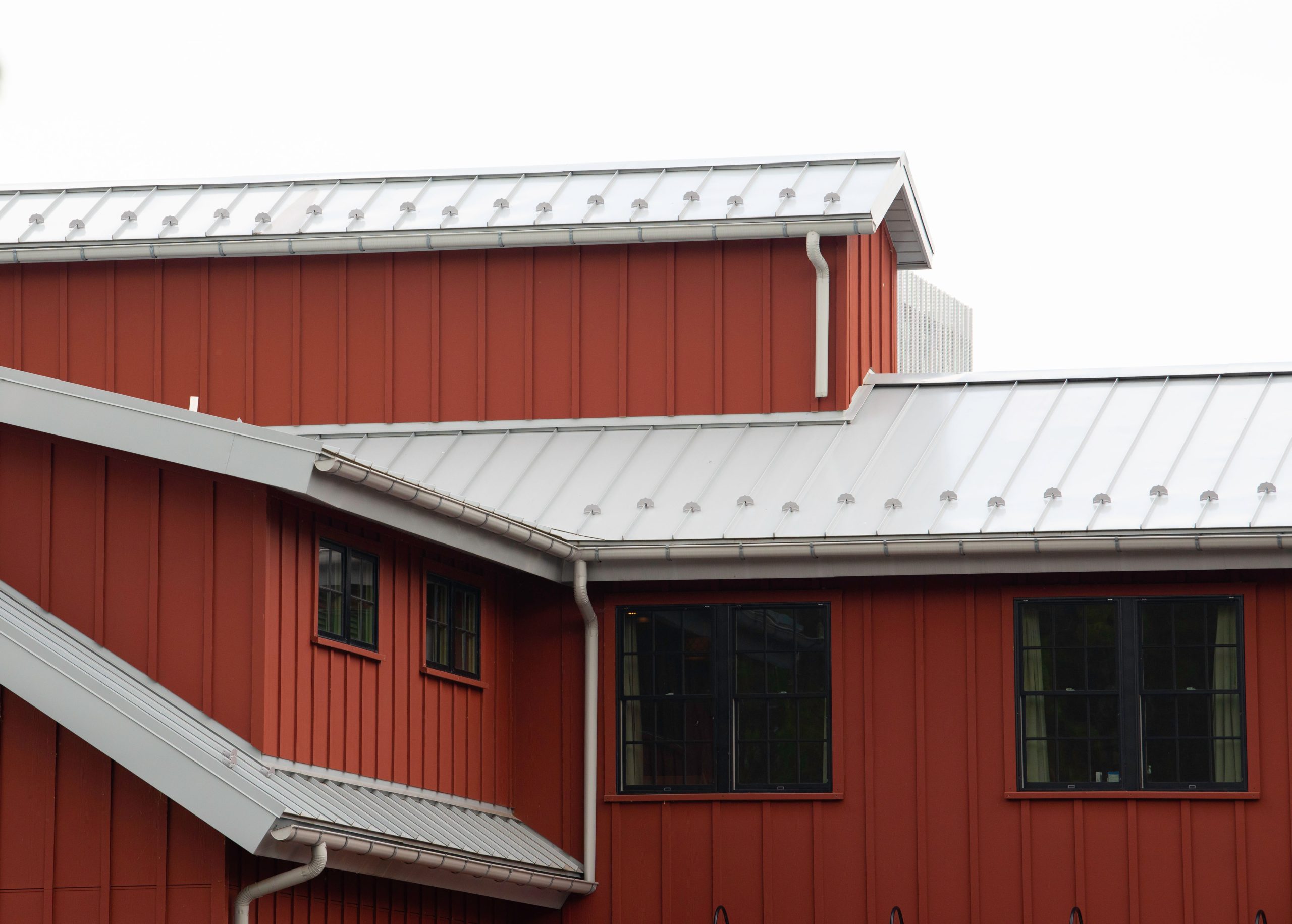
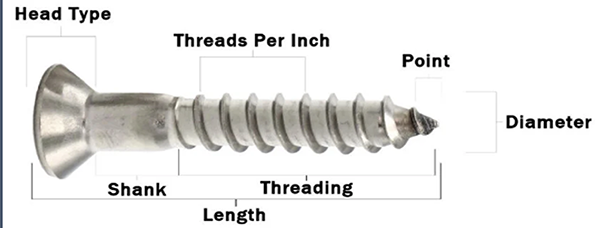
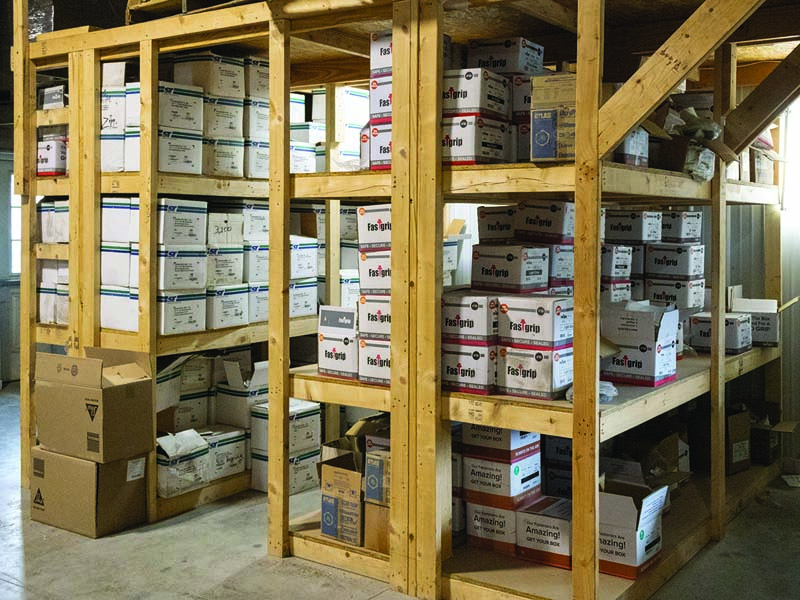
Beyond panels and trim, Legacy Metals stocks a range of complementary products, including Therma-Guard reflective insulation from Dutch Tech, fasteners from Levi’s Building Components, ventilation products like UltraVent, and snow retention systems from SS Snow Stoppers and Levi’s. Many residential roofing contractors also prefer SealTite ZXL screws from ST Fastening Systems, which the company keeps on hand.
In terms of market focus, residential reroofing has become the largest segment of the business. Roofing contractors make up a significant portion of the customer base, particularly those handling tear-offs and re-roof projects.
“There’s definitely a growing interest in residential roofing,” Ebersole said. “That’s where most of our work is right now.”
Agricultural buildings remain an important part of the mix as well, including horse barns and poultry houses. At the same time, the company serves a steady stream of do-it-yourself customers working on smaller projects.
“We see a lot of homeowners picking up materials to reroof sheds or smaller buildings,” Ebersole said. “They’re often installing right over existing shingles, and we’re able to help them get what they need quickly.”
Color trends in the region lean heavily toward darker tones, particularly textured finishes.
“Black and textured black are by far the most popular,” Ebersole said. “We also see a lot of bronze, charcoal, and brown. Dark, textured colors are definitely the trend here.”
Agricultural panels and trim remain the company’s most widely used products, but demand for specialty profiles continues to evolve. Board-and-batten siding, for example, saw a surge in popularity in recent years.
“It really peaked around 2021 or 2022,” Ebersole said. “It’s leveled off some since then, but it’s still a popular option and something we do regularly.”
While the company operates in a region with relatively few direct competitors, Ebersole views the competitive landscape as a positive influence.
“There are a couple of other shops within about 50 miles, and we think there’s room for everyone,” he said. “At the same time, it keeps you sharp.”
That mindset extends to the company’s internal culture. With a small team, flexibility and communication are key. The work environment is relaxed, but expectations remain clear.
“We try to keep things flexible,” Ebersole said. “Everyone here is local and has things going on outside of work, so we work around that when we can. At the same time, we all understand what needs to get done.”
The company has navigated its share of staffing changes, including the departure of a key employee in 2024. Support from the Pine Creek Construction team helped bridge the gap until new hires were brought on in 2025 and early 2026.
External factors have also influenced operations, particularly during the winter of 2025-2026. Unlike previous mild winters, colder temperatures and persistent snow slowed construction activity across the region.
“It was slower than what we’ve been used to,” Ebersole said. “There was snow on roofs for much of the winter, and contractors couldn’t work. That had a ripple effect for everyone.”
Projects were delayed, foundations couldn’t be poured, and demand for materials temporarily declined. Still, Ebersole sees it as part of the natural cycle of the industry.
“It created a bit of a domino effect,” he said. “But things are starting to pick back up as the weather improves.”
Through it all, strong supplier relationships have remained a constant. Legacy Metals’ partnership with Hixwood, in particular, has proven valuable in maintaining supply chain reliability.
“They’ve been very good to work with,” Ebersole said. “Being able to get a full load of coil in less than 24 hours is impressive. There’s a lot that goes into making that happen.”
Looking ahead, Legacy Metals is focused on continuing to build on its strengths—investing in the right equipment, maintaining high standards for quality, and staying responsive to customer needs. While the company has grown significantly in a relatively short time, its approach remains grounded and practical.
At the end of the day, the goal is simple.
“Customer service comes down to having what people need—or being able to get it to them quickly,” Ebersole said. “That’s what we focus on every day.”
It’s a straightforward philosophy, but one that continues to guide Legacy Metals as it moves forward—balancing growth with consistency, and innovation with the values that started it all.
Case Study: ZAM Proves Its Durability in a Corrosive Environment
In the roll-forming industry, material selection often comes down to balancing cost, availability, and performance. But for some applications, performance becomes the deciding factor—especially when corrosion resistance is critical. A recent real-world example shared by Bobby Ebersole of Legacy Metals highlights just how durable ZAM-coated metal can be under demanding conditions.
The project began when an unconventional customer approached Legacy Metals with a very specific need. The company, which produces deer scents for hunters, operates a facility that collects and processes deer urine for use as an attractant. Because of the nature of their operation, they required a material that could withstand constant exposure to highly corrosive organic fluids.
“We have a customer that makes deer scents,” Ebersole explained. “They were looking for something that would be highly corrosion resistant—really the most corrosion-resistant metal on the market.”
After consulting with Paul Zimmerman of Hixwood, Legacy Metals recommended ZAM-coated steel, a zinc-aluminum-magnesium alloy known for its enhanced corrosion resistance compared to traditional galvanized coatings. The customer installed the material as a funneling system designed to direct collected deer urine into a central basin.
At the time, the application served as something of a test case for both the customer and Legacy Metals. The expectation was durability, but the real question was how the material would perform under continuous, aggressive exposure over time.
Roughly a year later, the results spoke for themselves.
“In late February, they contacted us again because they’re adding on to their facility,” Ebersole said. “They’ve been using the ZAM for about a year now, and there’s no sign of corrosion. They told us it looks the same as the day it was installed.”
For the customer, the performance was compelling enough to standardize the material for their expansion. Legacy Metals quickly supplied additional ZAM-coated product, delivering it to the site the following day to keep the project moving.
“They wanted more for their add-on, and we had it in stock,” Ebersole said. “We delivered it the next day.”
While unusual in application, the project underscores a broader point about material performance in real-world environments. In this case, ZAM was not only selected for its theoretical corrosion resistance—it was proven in a setting where failure would have been immediately visible.
“It’s a case of testing at its best,” Ebersole noted.
For Legacy Metals, the experience reinforced the importance of pairing quality materials with practical application knowledge. It also demonstrated how emerging coated steel technologies like ZAM can offer meaningful advantages in environments where traditional coatings may degrade more quickly.
As demand for longer-lasting, low-maintenance materials continues to grow across agricultural, commercial, and specialty applications, cases like this provide tangible evidence of performance—not just in controlled specifications, but in day-to-day use where it matters most.