


Originally Published as: How Roper Whitney’s Trade-In Program and Machine Rebuild Process Work
For metal fabrication shops, keeping equipment up to date is crucial to staying competitive and efficient. Sheet metal folding machines and other fabrication tools are vital to everyday operations, but technology doesn’t stand still. Recognizing this challenge, Roper Whitney offers a comprehensive Trade-In Program designed to help businesses upgrade their equipment and a thoughtful remanufacturing process that gives older machines a new life while maintaining quality and reliability.
At its core, the Roper Whitney Trade-In Program provides shops with a straightforward way to sell aging machines and apply the value toward newer, more advanced models. The goal is to streamline the transition to modern equipment that incorporates the latest design improvements, control systems, and performance enhancements — all while reducing financial burden.
The Value of Trading In
Participating in the trade-in program brings several tangible benefits:
Saves time and effort — Instead of handling the sale of a used machine independently, Roper Whitney’s sales team manages the process.
Earns credit toward new equipment — Trade-in credit can be applied to the purchase price of a new machine, reducing the amount of financing required.
Potential tax advantages — Many shops find financial benefits through trade-related tax considerations.
Access to new features and technology — Newer machines may offer new steel frame designs, advanced clamping systems, automatic material sensing, and enhanced software controls such as the Synergy® system with features like Konstruct® and Konnect.
The program is open to customers globally, with the company tailoring solutions to help each business maximize return on its used assets. To get the process started, shops simply provide information about the machines they wish to sell — including model and serial number — and discuss their objectives with the Roper Whitney team.
The Rebuild Process
In many cases, trading in older equipment doesn’t mean scrapping it. Instead, Roper Whitney remanufactures machines to meet a new standard of performance and reliability. This rebuild process is thorough and designed to ensure that remanufactured machines perform nearly like new — often at a fraction of the cost.
Here’s how the remanufacturing process unfolds:
1. Complete Disassembly and Inspection
The first step involves stripping the machine down to its base. Roper Whitney technicians disassemble every major component to evaluate the machine’s condition. This careful inspection helps identify worn parts, outdated assemblies, and areas needing repair or replacement.
2. Cleaning and Surface Renewal
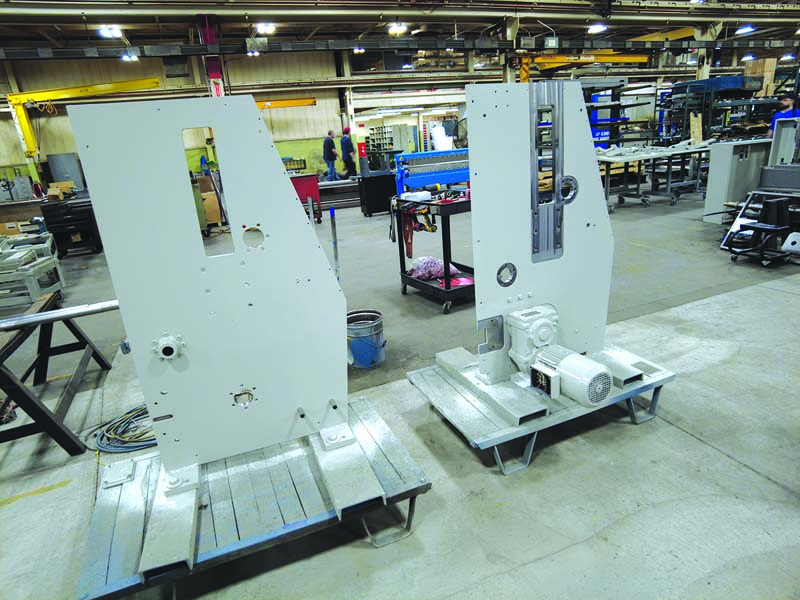
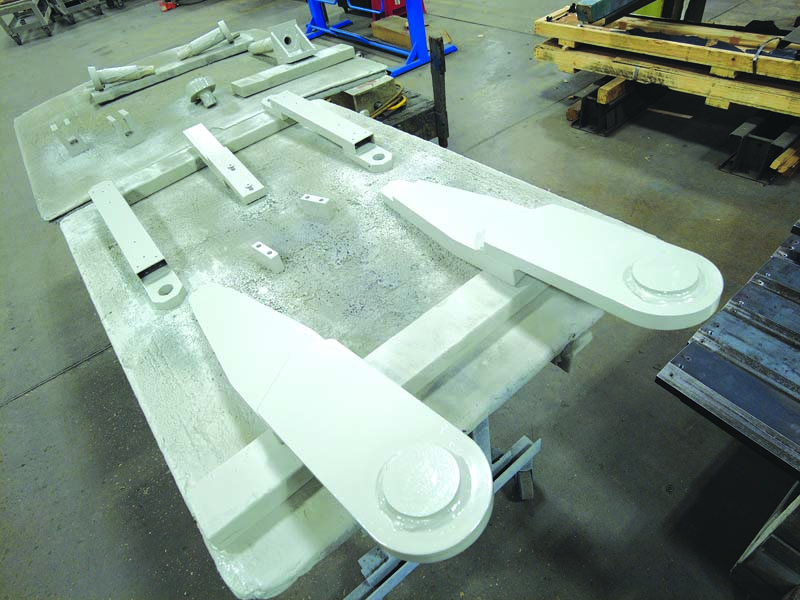
Once disassembled, all major castings and structural parts are thoroughly cleaned and prepared for refinishing. After cleaning, components are primed and repainted to protect against corrosion and wear — extending the machine’s usable life and improving its appearance for resale or reuse.
3. Replacement of Key Components
A remanufactured machine undergoes significant mechanical work. All bearings are replaced to ensure smooth, reliable operation. Additionally, mechanical, electrical, and pneumatic assemblies are either repaired or replaced based on their condition and performance requirements. This ensures the remanufactured machine meets modern standards of quality and durability.
4. Thorough Testing Before Return
Before a remanufactured machine leaves the facility, it undergoes rigorous testing by their team. Each function is checked to confirm it operates correctly under load and meets performance expectations. This testing process is a key part of ensuring reliability once the machine returns to a shop floor.
5. Warranty for Peace of Mind
To give customers confidence in remanufactured equipment, the company includes a 90-day warranty with every remanufactured machine. This warranty provides assurance that the rebuild process has restored the machine to dependable working condition.
Why It Matters for Fabrication Shops
The combination of the Trade-In Program and remanufacturing capabilities allows shops to modernize their equipment strategically. Rather than letting older folding machines sit idle or struggle under inefficient performance, businesses can derive value from their existing assets while upgrading to modern technology that enhances productivity and reduces operational downtime.
Remanufactured machines also offer a cost-effective alternative for shops that may not be ready to invest in brand-new equipment but still want reliable performance and extended service life. By rebuilding machines with replaced bearings, refinished surfaces, and updated mechanical and electrical assemblies, Roper Whitney ensures that remanufactured tools contribute positively to a shop’s workflow.
Additionally, trading in a machine and receiving credit toward a new purchase can help shops stay competitive. Newer machines often include advanced controls, better ergonomics, and improved precision — features that can make a noticeable difference in production speed, quality, and consistency.
A Practical Step Toward Growth
For many businesses, participating in the company’s Trade-In Program is more than just a transaction — it’s a step toward strategic growth and long-term investment. By leveraging trade-in credit, shops can access equipment that supports evolving needs, reduces manual work, and introduces automation where appropriate.
Coupled with the remanufacturing program, Roper Whitney provides fabricators with options at various stages of equipment lifecycle and financial planning. Whether a shop wants to fully upgrade with new technology or invest in high-quality remanufactured machinery, the company’s programs offer flexibility and real-world value.