


Originally published as: Rebuilt Equipment: What Rollformers Need To Know Before Making a Decision
As equipment prices rise and lead times stretch, more construction rollformers are taking a closer look at refurbished machines. For some shops, refurbishment is a smart way to extend the life of trusted equipment or add capacity quickly. For others, it can be a risky shortcut if expectations aren’t aligned with reality. The key is understanding what “refurbished” truly means—and what it doesn’t.
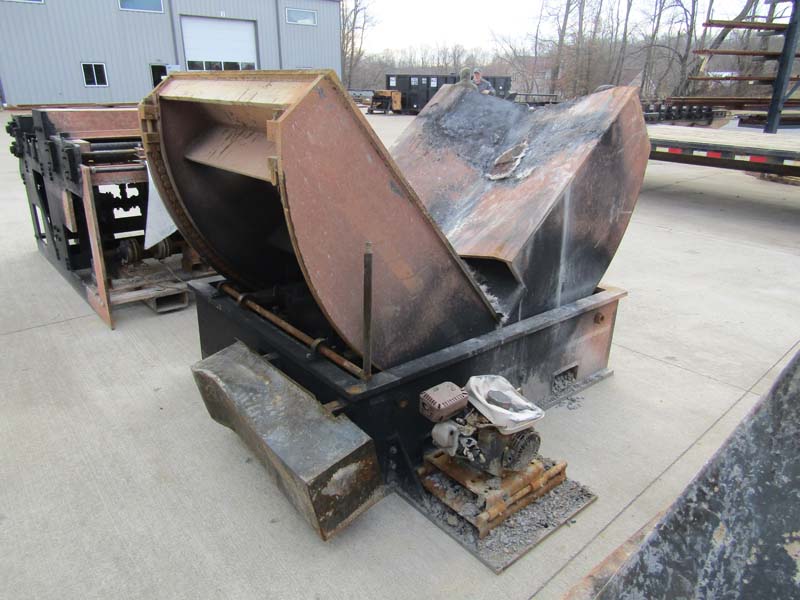
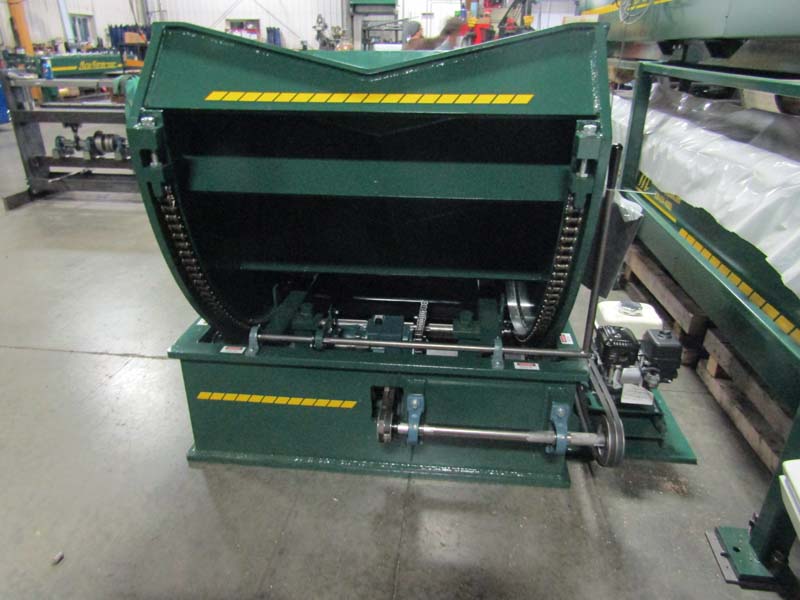
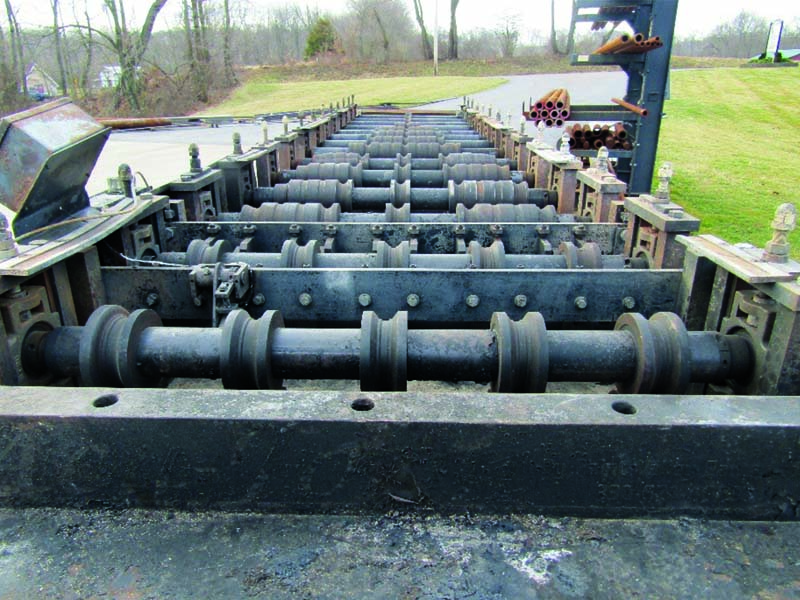
At Acu-Form Equipment, refurbishment is not a cosmetic exercise. The company manufactures a full range of roll forming machinery, including panel lines, trim roll formers, cutting and shearing equipment, and supporting production equipment such as uncoilers, perforators, and upenders. When one of those machines comes back into the shop for refurbishment, the work can range from light reconditioning to a near-total rebuild. As Wayne Troyer of Acu-Form explains, refurbishment means “whatever is needed.” While the machine frame typically remains intact, nearly every other component—shafts, dies, sprockets, drives, and controls—is subject to inspection, repair, or replacement.
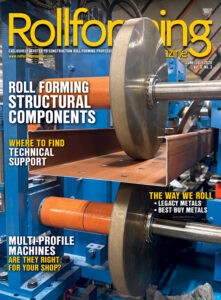
That reality was illustrated powerfully in Rollforming’s October/November 2023 “Out of the Ashes” feature, which chronicled roll-forming machines rebuilt after catastrophic fire damage. In several cases, machines many would have written off entirely were disassembled, inspected, retooled, and returned to productive service. Troyer notes that Acu-Form has handled similar situations, including machines that arrived severely compromised and left fully retooled for new profiles or upgraded production needs. Whether damage comes from fire, long-term wear, or changing market demands, the principle remains the same: with the right inspection, tooling, and mechanical work, a machine’s usefulness can often be extended far beyond what its initial condition suggests.
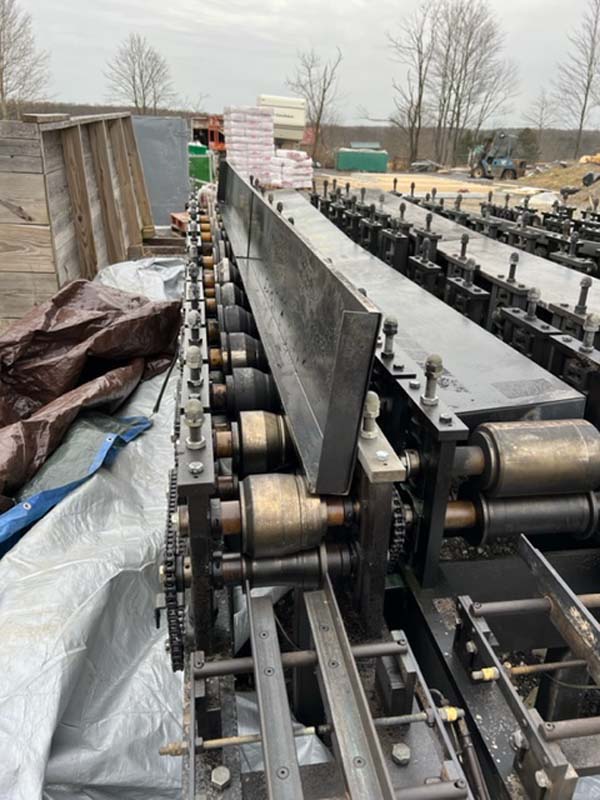
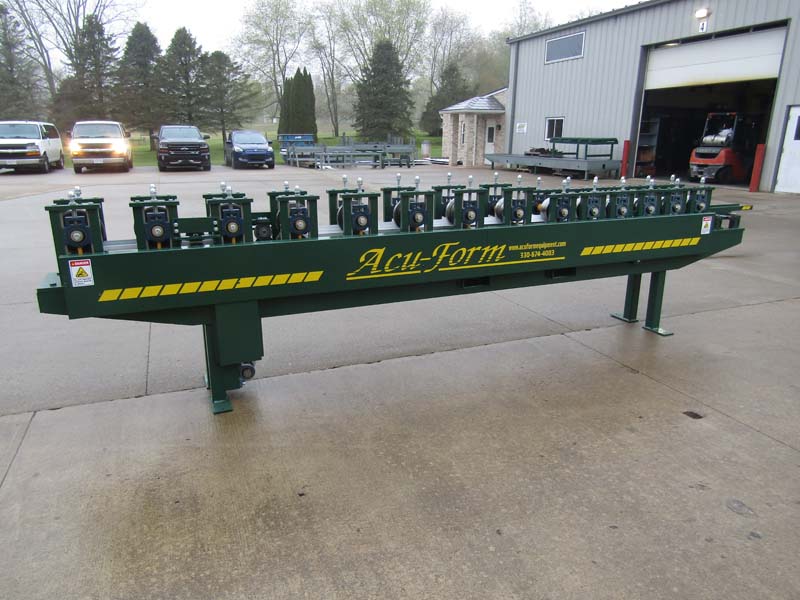
That scope of work matters, especially when it comes to tolerances and repeatability. A fully refurbished machine with new tooling and properly aligned components can perform comparably to a new machine. Problems tend to arise when refurbishment is partial and worn components—particularly dies—are left in place. Even minor wear can introduce tolerance issues that affect panel quality. Troyer emphasizes that customers looking to spend the least amount of money may get a functioning machine, but not necessarily the consistency required for selling panels or trim to demanding contractors.
To manage that risk, Acu-Form places a strong emphasis on inspection and performance testing before a refurbished machine leaves the facility. Every machine is checked thoroughly, and customers are involved in the decision-making process from the start. In many cases, Acu-Form identifies additional components that could be replaced to bring the machine closer to its original performance. At that point, the decision becomes the customer’s: invest more to reach 80–90% of original capability, or accept “good enough.” That choice often depends on how the machine will be used. A rollformer producing panels for their own buildings may tolerate minor imperfections, while a supplier selling to contractors cannot.
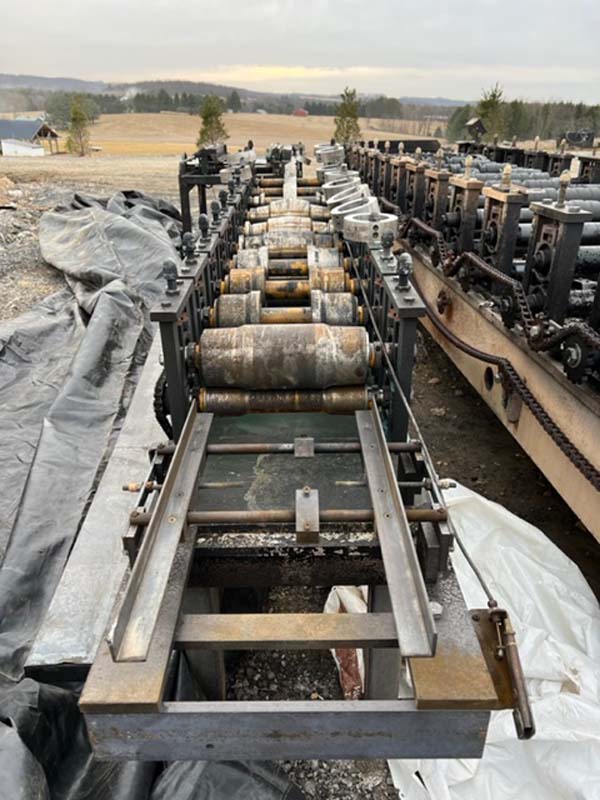
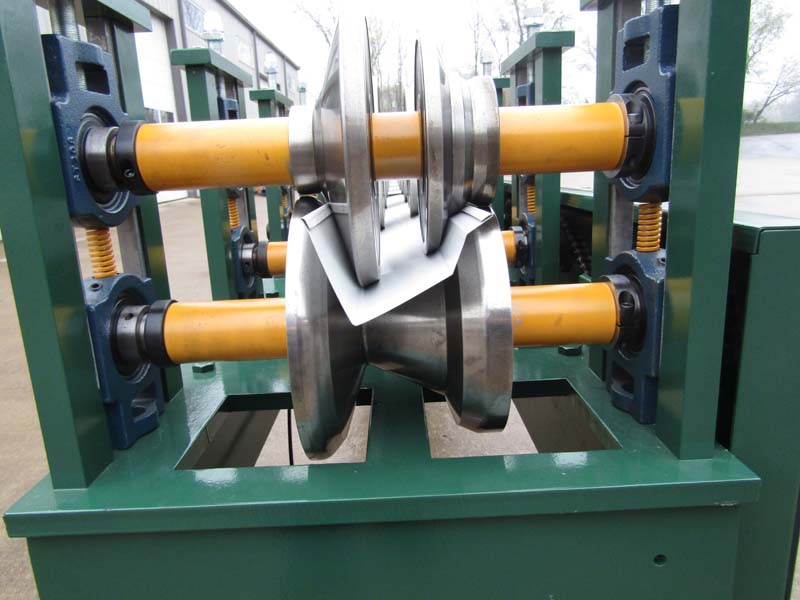
Refurbishment also creates opportunities to modernize equipment beyond simple repair. Electrical systems, drives, and controls can be updated even if they are not technically worn out. Acu-Form routinely converts mechanical machines to hydraulic or electric operation, or adapts machines to meet new production demands. As building styles evolve, panel overlaps change, trim dimensions shift, and profiles that once worked may no longer satisfy customer expectations. In those cases, retooling or minor setup changes can help an older machine remain competitive.
Automation is another area where refurbishment can significantly change how a machine fits into a shop’s workflow. Acu-Form has converted older mechanical machines into fully automated systems with modern cut-to-length and servo controls, while also simplifying automated machines when customers prefer mechanical operation. In some cases, machines that no longer meet the standards of large manufacturers find a second life in smaller operations where simplicity and reliability matter more than precision automation. Troyer notes that creative adaptations—such as modifying motors, drives, or power transmission—are sometimes used to keep machines productive.

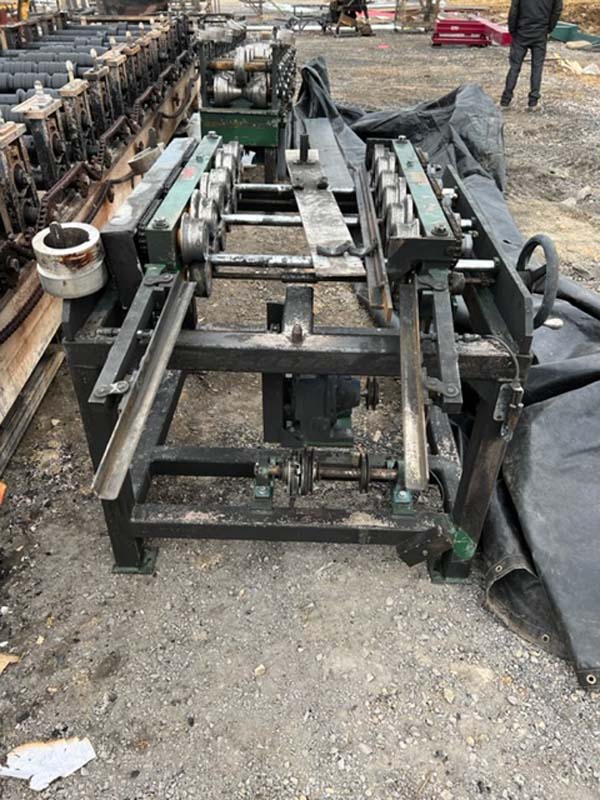
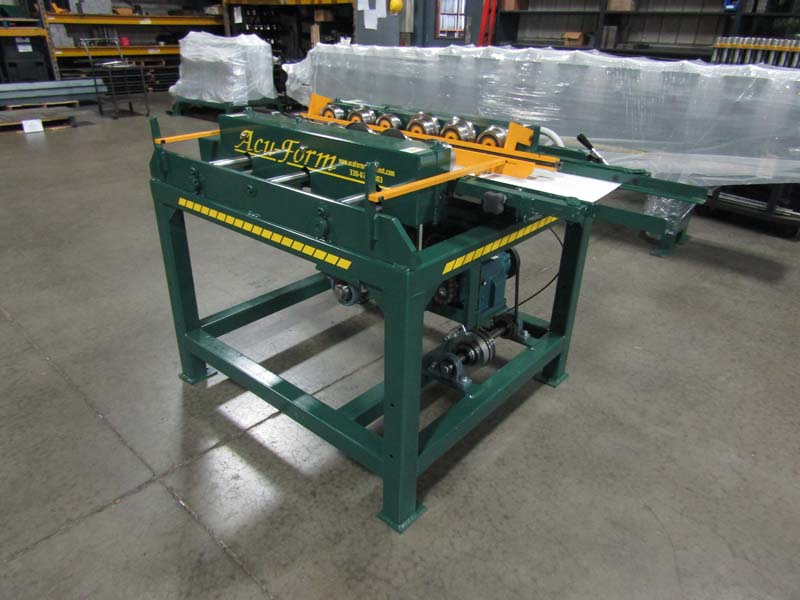
One of the ongoing challenges in refurbishment is dealing with obsolete components. Bearings, gearboxes, electrical drives, and controls that were once common may no longer be available. When that happens, Acu-Form either manufactures replacement parts in-house or sources the closest modern equivalent. These substitutions may require additional changes, such as larger electrical enclosures or modified mounting patterns. While rarely a perfect swap, experience and problem-solving usually make it possible to find a workable solution.
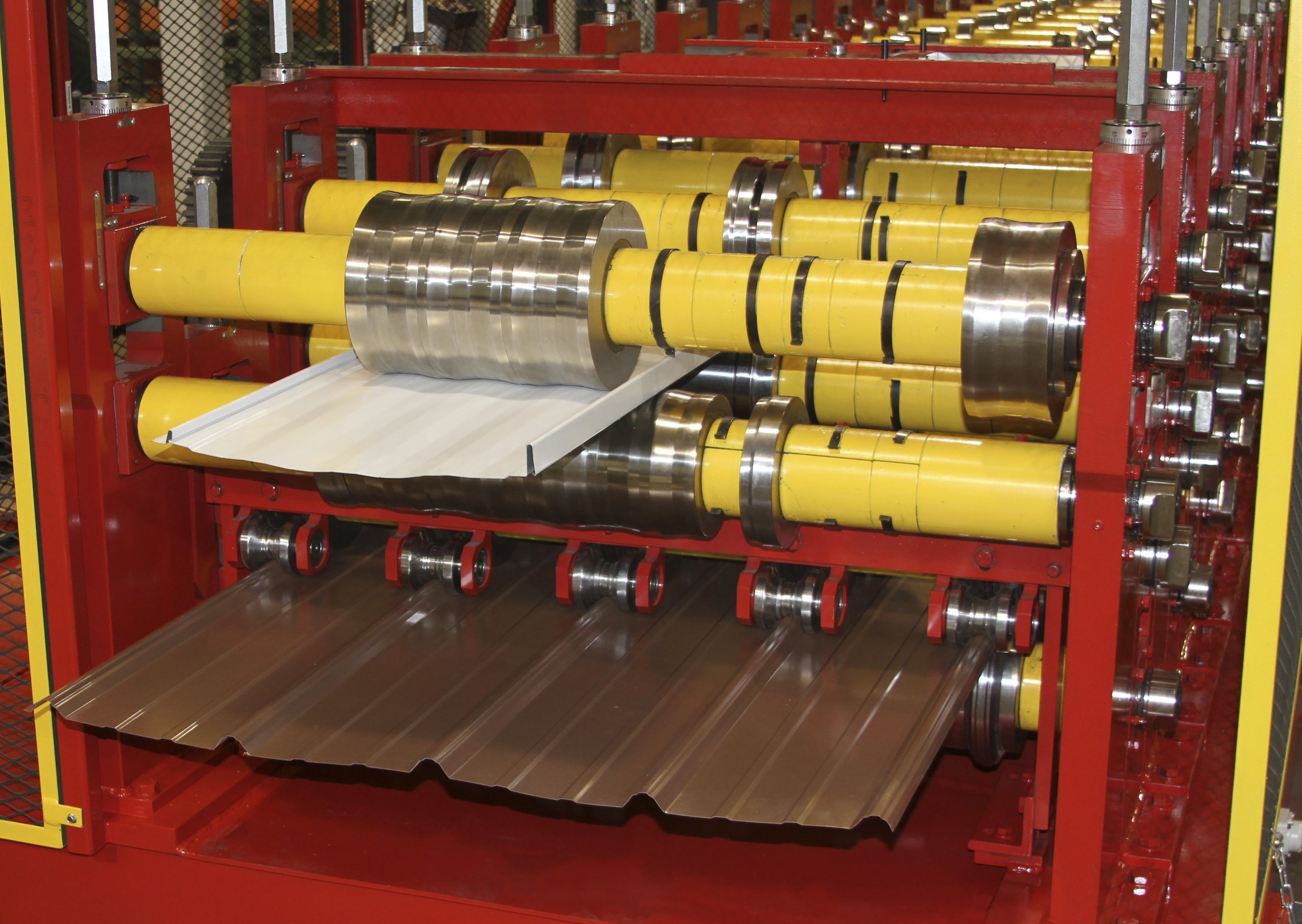
Tooling condition plays a central role in refurbishment decisions. Acu-Form evaluates tooling wear by running parts and checking alignment. With thru-hardened D2 tool steel dies, significant wear is uncommon, but chrome-plated dies quickly reveal wear once plating begins to break down. At that point, customers must decide whether re-chroming makes financial sense or if new dies provide better long-term value. It becomes a matter of weighing upfront cost against expected wear life and production demands.
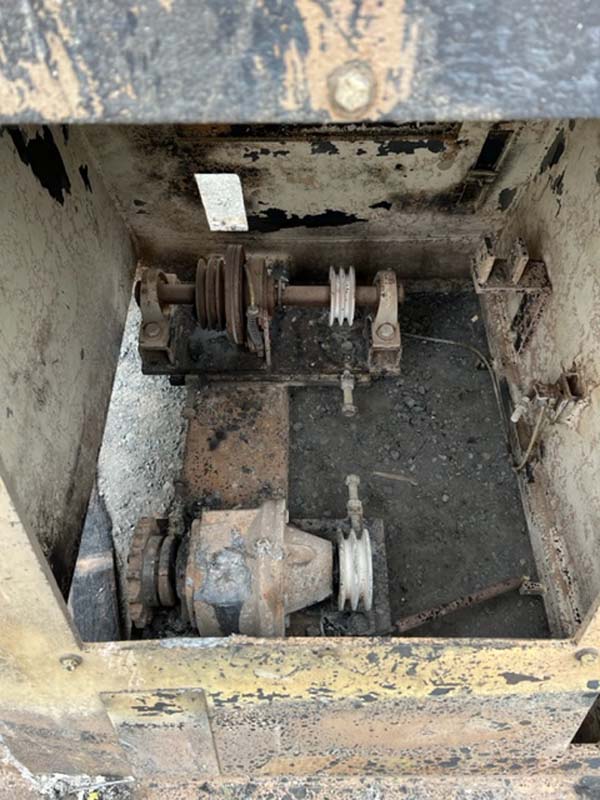
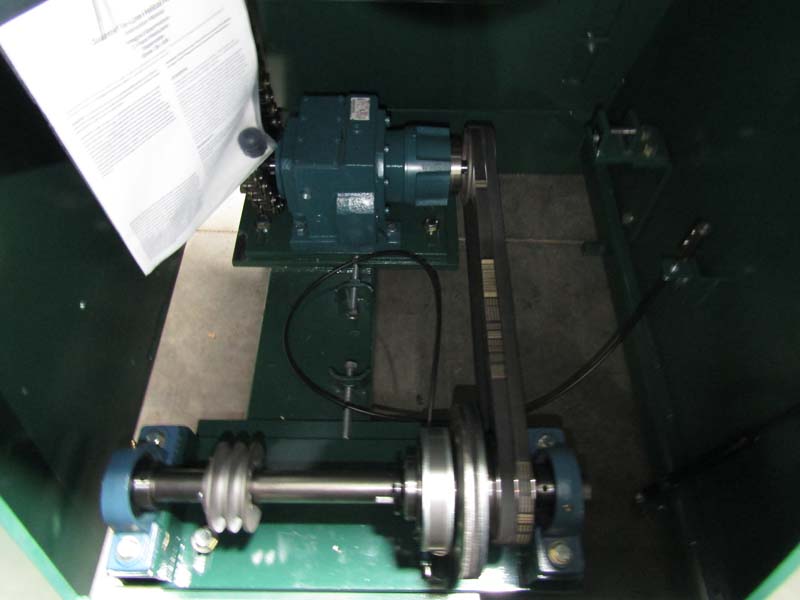
Many refurbished machines ultimately return to the same customer. Troyer estimates that roughly 90% of refurbished machines go back into the hands of their original owners. Some are retooled for new profiles, others are updated to accommodate changing overlaps, and many are upgraded incrementally over time—from mechanical to electric, from manual to automated—allowing shops to grow without replacing an entire machine.
Acu-Form primarily refurbishes its own equipment, a focus that allows the company to support machines long after their initial sale. That long-term service commitment ensures customers aren’t pushed to the back of the line behind unfamiliar equipment and reinforces the idea that refurbishment is part of a machine’s full lifecycle, not an afterthought.
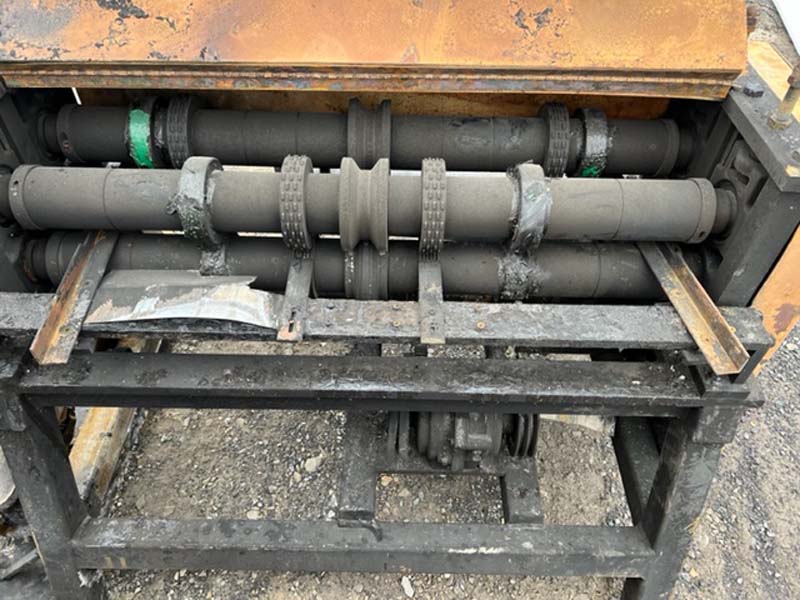
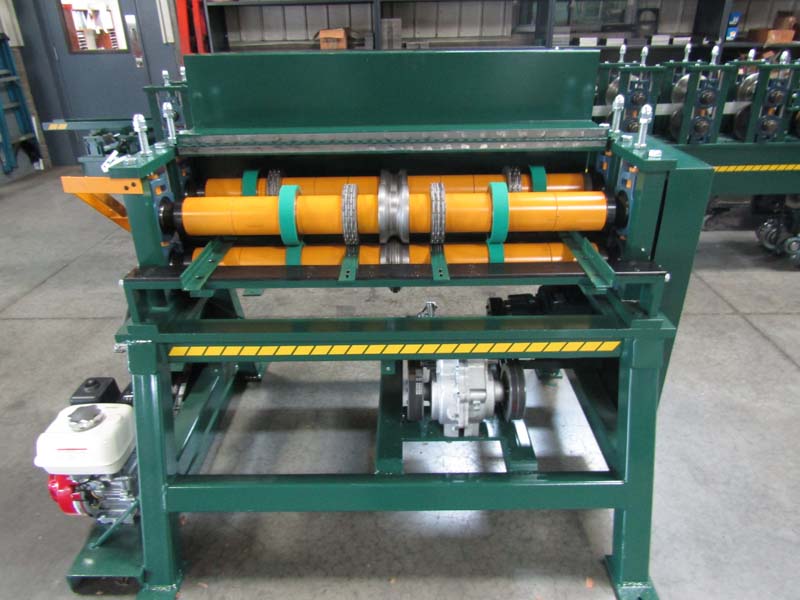
Cost is often the deciding factor when weighing refurbished versus new equipment. A refurbished machine can be a good value if it aligns with the application and the buyer understands the risks. There is no warranty, and even inspected components can fail unexpectedly. A refurbished machine might run another 20 years—or it might require additional investment sooner than planned. New machines offer known performance, customized profiles, and warranty protection, but typically come with higher upfront costs and longer lead times.
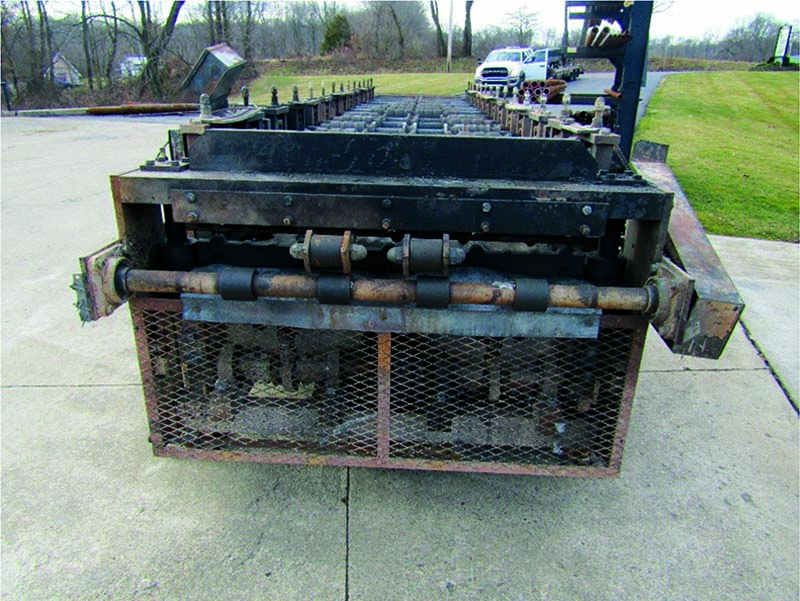
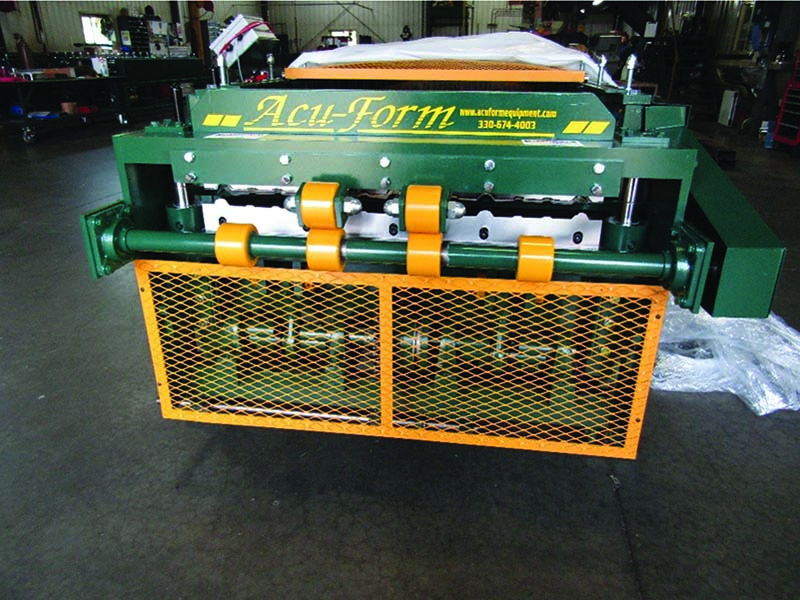
So when does refurbishment make sense? Refurbishing your own machine—one you know well, with a proven profile—can be a smart move. For startups building a brand from the ground up, refurbished equipment may not be the best foundation. First impressions matter, and inconsistent product quality can make it difficult to win repeat business. As the saying goes, you only have one chance to make a good first impression.
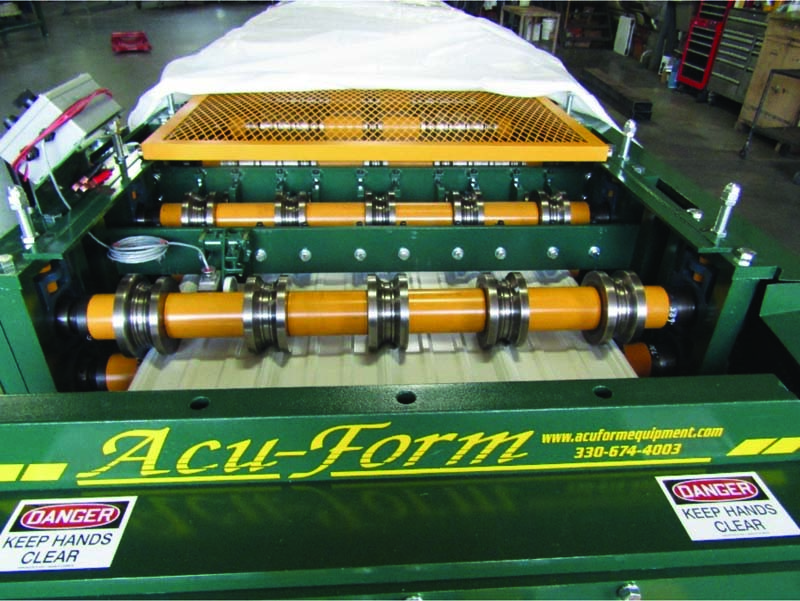
Lead time is another consideration. A simple reset and retune can sometimes be completed in a day. Drive conversions may take a few weeks. Full rebuilds involving shafts, dies, and tooling can extend to six months. Compared to waiting a year or more for new equipment, refurbishment can sometimes put a machine back into production far sooner—keeping revenue moving instead of sitting on the table.
Before choosing refurbished or new, Troyer suggests rollformers ask themselves a few key questions: Will the refurbished machine deliver the quality I need? What kind of wear life can I realistically expect? And how does my timeline affect my bottom line? With equipment prices rising sharply over the past decade, the answers aren’t always simple—but with the right expectations and the right partner, refurbishment can be a practical, flexible option in today’s rollforming landscape.