


Originally Published as: Slitters & Shears: How coil slitter and shear selection shape productivity in the roll-forming shop
Part 1 — What Shops Should Look For in Coil Slitters and Shears
Every rollforming shop knows that quality starts at the coil. Often, before metal reaches the roll former, it has to be handled, cut, or slit — and that’s where coil slitters and shears become essential pieces of your workflow. Choosing the right equipment means thinking beyond the purchase price and focusing instead on how those tools fit your process, volume, material, and daily rhythm.
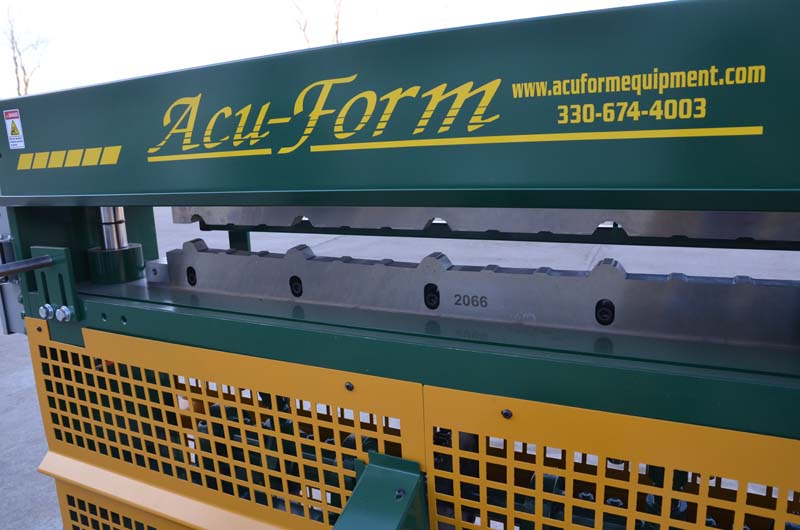
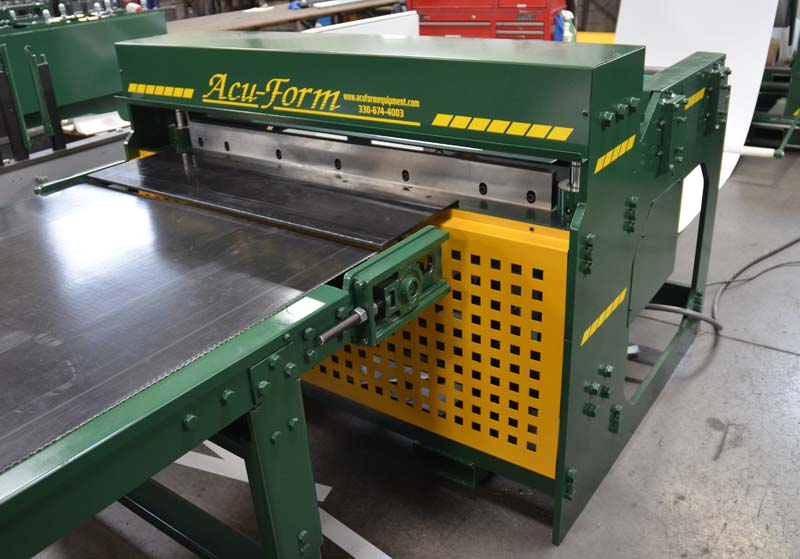
First, think through the type of cutting your shop needs. Shears and slitters may seem interchangeable, but each serves a slightly different production purpose. A shear — especially at the front end of a forming line — lets you cut material cleanly to length or width before it goes through the former. In some cases, a front-end shear can actually prevent waste by ensuring only the footage you need is being fed into the machine. Some controllers can eliminate post-cut waste by feeding only the required amount of material into the machine.
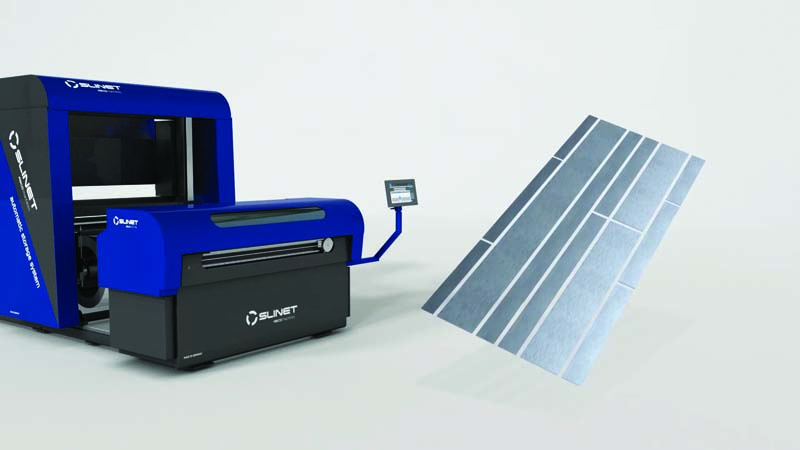
Slitters, by contrast, are designed to take a wide coil and turn it into several narrower strips or coils in a single pass. If your shop runs frequent jobs that require multiple widths from the same master coil, a slitter saves handling time, reduces material damage, and minimizes setup once the machine is ready. When paired with coil handling systems, these slit coils can be staged efficiently so operators spend more time making components.
Modern slitters come in configurations ranging from manual to fully automatic. For roll-forming shops doing high volumes with repeated widths, investing in automatic knife adjustment and nesting software means less downtime and lower scrap, because the machine calculates optimal slit positions and blade setups. Pairing manifolds of slit coils with a coil farm or automated storage system can dramatically speed changeovers and ensure a steady feed to downstream operations.
Another selection factor is capacity and compatibility. Slitters and shears are built for specific coil widths and thicknesses, and it’s important to match a machine’s capacity with what you regularly process. If you buy equipment that’s under-sized for your materials, you’ll be forced into workaround cuts or multiple passes. Oversizing might feel like future-proofing, but it also costs more upfront and can create its own challenges if it doesn’t fit your current needs.
Safety and operator experience also weigh into the equation. Machines with built-in safety interlocks and guards protect operators by preventing operation when doors or guard panels are open. Even features as simple as easy-to-reach controls and ergonomic adjustment points help keep operators comfortable, safe, and productive throughout the workday. In the broader context of material handling and shop layout, placing slitters and shears close to relevant decoilers and roll formers can reduce transport waste and operator motion, keeping the entire line moving efficiently.
In short, when you’re evaluating coil slitters and shears, think about how your shop operates and what your plans are. A tool that integrates seamlessly with your workflow, reduces handling steps, and supports consistent throughput will benefit your shop far more than the least expensive option on the floor.

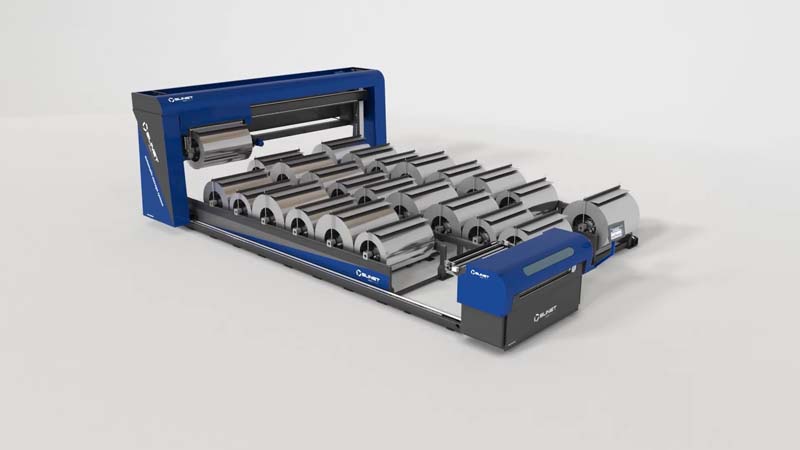
Part 2 — What To Keep in Mind When Operating Coil Slitters and Shears
Once you’ve selected the right tools, the next challenge is using them in a way that maximizes uptime, accuracy, and safety. Slitters and shears become steady contributors to your production only when they’re operated with good habits and an eye for detail.
One of the most practical operational principles is to organize these machines within your shop layout so material flows logically from coil storage into processing. Staging slit coils near their target decoilers or storage racks removes unnecessary steps in handling and allows operators to remain productive rather than chasing materials around the shop. Taking cues from principles of lean movement, every extra walk an operator makes to fetch material is lost production time.
Training also strongly influences outcomes with slitters and shears. Automatic systems often come with software and nesting — but those advantages only materialize when operators understand how to use them. Training should cover blade setup, safe operation, how to judge material conditions such as coil flatness, and when to adjust for thickness or coating variations. A well-trained operator doesn’t just run the machine — they anticipate issues before they cause waste or stoppages.
Material handling plays a major role, too. Shops that minimize coil damage through careful storage and handling tend to see fewer quality issues when cutting or slitting. Keeping coil edges clean, stored properly (whether “eye to the sky” or staged for decoiling), and moved only as needed helps protect both the coil and the tooling downstream, where scraps from nicks or dents can lead to imperfect slits or shears.
Maintaining your equipment also supports consistent performance. Sharp blades and properly aligned cutting mechanisms reduce burrs and edge deformation. Tension and alignment adjustments should be regularly checked to ensure the machine feeds metal straight and true. Even in automated systems, routine calibration prevents drift over time and keeps cuts accurate shifts after shift.
Safety in operation cannot be overstated. Coil slitters and shears deal with heavy materials and sharp edges, and every movement of material presents a risk. Keeping guards in place, observing emergency stop protocols, and making sure operators understand the hazards associated with coil handling protects not just the machine but the people running it.
Finally, shop leaders should remember that these tools are part of a wider system. Slitters feed material to roll formers. Shears determine how components are made. Coil handling equipment upstream affects how efficiently both tools can operate. Thinking in terms of the whole production cycle — from coil arrival to finished components — helps ensure slitters and shears aren’t bottlenecks but enablers of a productive metal forming operation.