


Originally Published as: Market Growth: What the Standing Seam Roofing Market Growth Means Inside the Shop
Standing seam roofing didn’t grow by accident—and it didn’t grow without rollformers. As demand for standing seam panels continues to expand, the conversation naturally shifts from “why the market wants it” to “how it gets made efficiently, accurately, and profitably.” For metal panel manufacturers, standing seam isn’t just another profile. It’s a production commitment that touches equipment selection, shop layout, staffing, and long-term strategy.
We’ve followed this evolution, documenting how standing seam roofing systems, roll forming technology, and manufacturing businesses have grown together.
Standing Seam Demand Shows Up in the Shop
From the rollformer’s perspective, standing seam growth is visible long before market reports catch up. It shows up in:
• Requests for longer panel lengths
• Demand for tighter tolerances
• Increased interest in snap-lock and mechanical seam profiles
• Contractors asking for on-site roll forming support
Metal Roofing Magazine coverage consistently positions standing seam as a high-performance, architectural roofing solution. That positioning carries real consequences for manufacturers. When standing seam is specified, there’s little tolerance for inconsistency—panels must lock cleanly, seam heights must match, and coatings must arrive undamaged. That places the burden squarely on fabrication.
Coil quality plays a major role in meeting those expectations. Coil width and thickness directly influence the quality of the finished product and the performance of the roll-forming machine. As you know, even small variations in coil dimensions can affect how accurately panels are formed and how well seams align in the field. For standing seam systems, where panel engagement and dimensional accuracy are critical, consistent coil specifications help ensure panels form correctly and maintain proper overlap and structural rigidity.
Material consistency also affects production efficiency. Thickness variations between coils can require machine adjustments, and running material that is thicker than expected without adjusting dies may scar the panel surface or damage the coating. Because of this, coil specified with minimal thickness tolerances to maintain a more consistent product from run to run is preferred. Reliable coil sourcing ultimately helps manufacturers deliver the uniform panels that standing seam roofing demands.
For rollformers, standing seam isn’t just a roofing trend; it’s a quality expectation.
Education Drives Demand—and Demand Drives Equipment Decisions
The Metal Roofing Alliance has played a role in expanding consumer awareness of metal roofing systems, particularly in residential markets. “Standing seam metal roofing offers homeowners unmatched durability, energy efficiency, and aesthetic appeal, making it a long-term investment that adds value, protects against the elements, and enhances curb appeal in a market that increasingly values sustainability and resilience,” explains MRA Executive Director Renee Ramey.
While the MRA doesn’t address roll forming directly, its education efforts contribute to a steady increase in homeowners and specifiers choosing concealed-fastener systems.
For rollformers, that education translates into more standing seam orders—and more questions about production capacity. Shops that once focused on exposed-fastener panels increasingly find standing seam moving from “special order” to “core product.”
That shift often forces a decision:
• Modify existing equipment
• Add dedicated standing seam machines
• Invest in multi-profile capability
As we’ve shown, growth in standing seam demand tends to push manufacturers toward more versatile, purpose-built machinery.
Roll Forming Is the Standing Seam Enabler
Standing seam roofing exists at scale because roll forming made it practical. Early on, stationary machines dominated production, limiting panel length and increasing handling. That changed when portable roll formers entered the market.
The first portable double-lock standing seam machine in the U.S. was built in the 1970s. That development allowed panels to be run to exact length at the jobsite—eliminating splices, reducing waste, and speeding installation. From a manufacturing standpoint, it also created new service models: supplying panels directly to contractors or rolling panels on location.
Since then, roll forming technology has continued to evolve in ways that directly support standing seam growth:
• Improved drive systems
• Cleaner profile transitions
• Better material control
• Faster setup and changeover
Each advancement has lowered the friction between demand and production.
Modern Equipment Reflects Market Reality
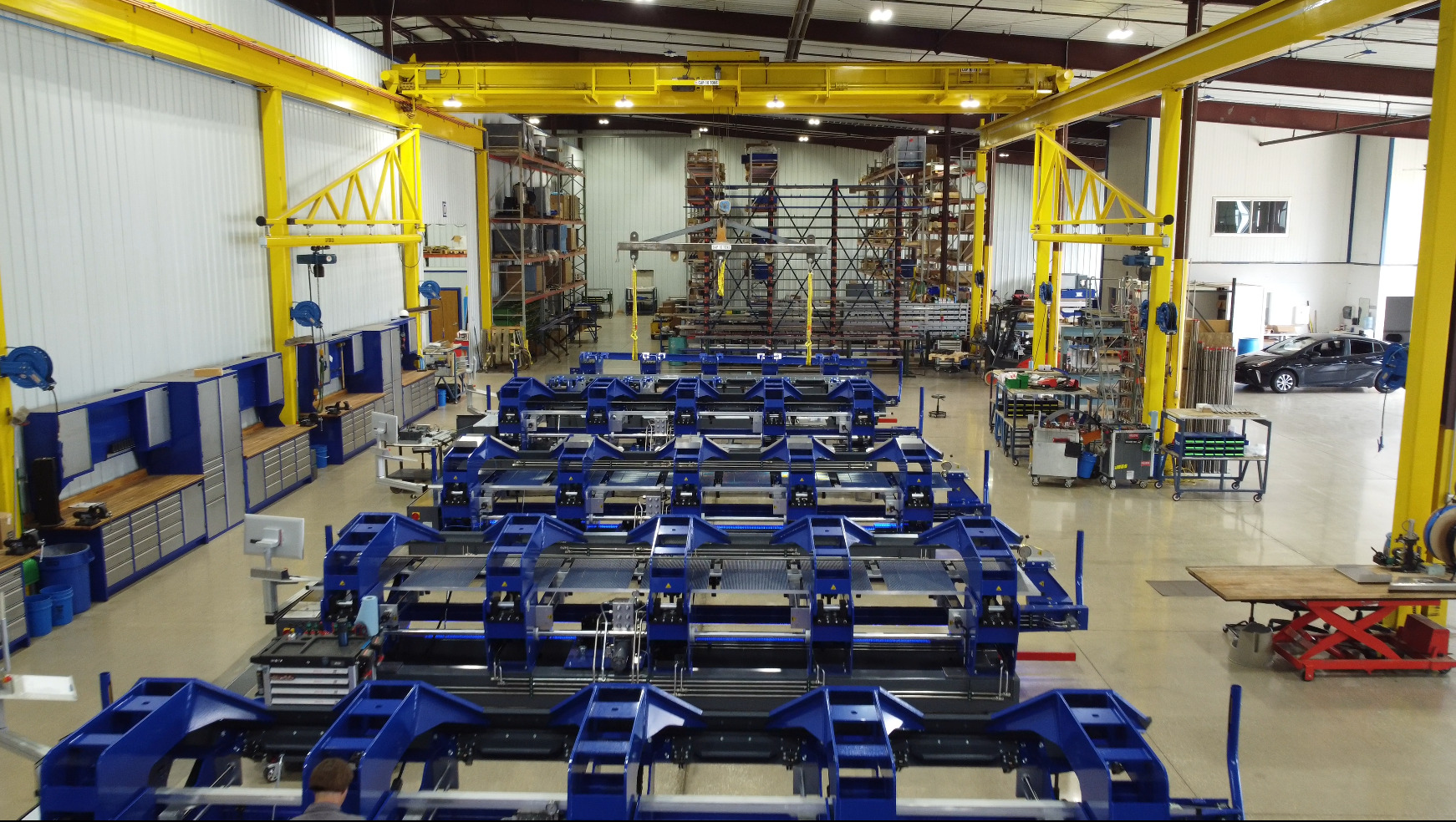
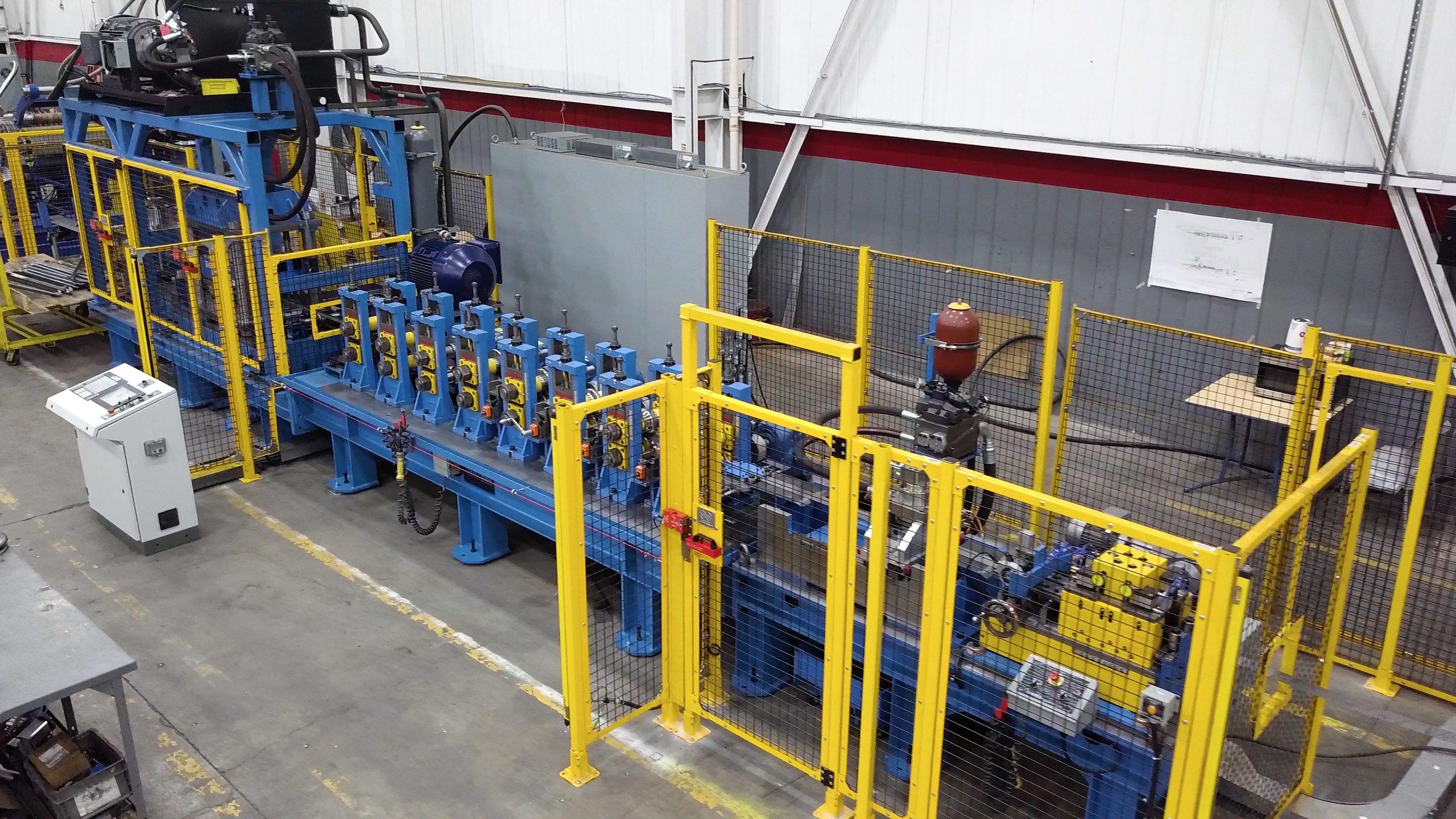
Today’s standing seam roll forming equipment reflects what the market demands: flexibility without sacrificing precision. We’ve documented how manufacturers combine stationary and portable machines to serve different segments of the market.
For example:
Portable roll formers allow custom panel lengths, reduced transportation risk, and jobsite production.
Stationary machines support higher volumes, consistent output, and stocking programs.
As you know, rollformers often operate both stationary and portable machines, using portable machines for remote jobs while relying on shop equipment for throughput and efficiency.
New Tech Machinery is one example frequently referenced for innovation, including early adoption of polyurethane drive systems and the development of multi-profile machines capable of producing standing seam alongside other panel types. Machines like the SSQ II MultiPro reflect a broader industry trend: fewer machines doing more work.
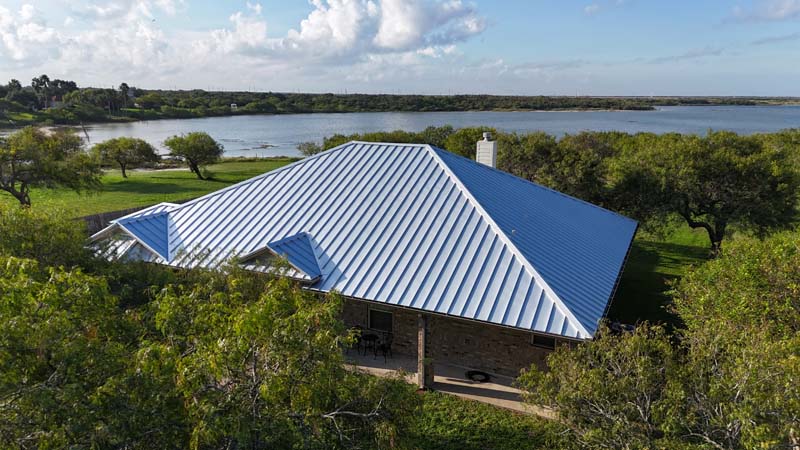
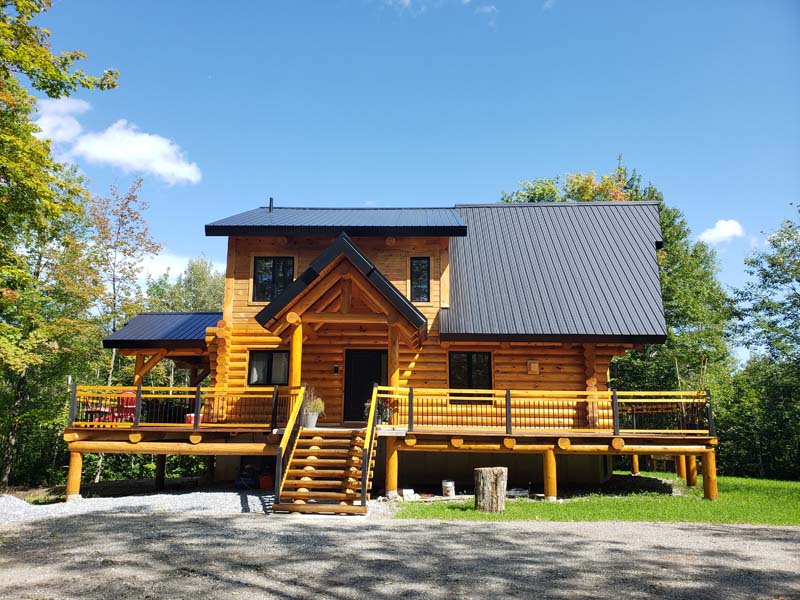
Courtesy of the Metal Roofing Alliance.
Standing Seam Is Not One Profile
From the shop’s point of view, “standing seam” is a category, not a product. It includes:
• Mechanical standing seam
• Snap-lock standing seam
• Nail-strip standing seam
• Multiple seam heights, widths, and gauges
Each variation affects tooling, coil handling, and downstream compatibility. Successful rollformers understand not just how to form a panel, but how that panel will behave in the field.
As standing seam moves deeper into architectural and engineered applications, manufacturers are under pressure to deliver panels that perform consistently across long runs, temperature swings, and complex roof geometries.
That’s not marketing—it’s machine setup, maintenance, and operator skill.
Standing Seam Rewards Prepared Shops
Standing seam panels typically command higher value than exposed-fastener systems, but they also demand more from the manufacturer. Shops that succeed in this segment tend to share common traits:
• Investment in reliable, purpose-built equipment
• Attention to tolerances and profile accuracy
• Willingness to support contractors with consistent supply
• Understanding of how production choices affect installation
As you know, standing seam growth, like other profiles, doesn’t favor shortcuts. It favors manufacturers who treat roll forming as both a technical discipline and a business strategy.
Conclusion: Standing Seam Growth Starts at the Machine
Standing seam roofing continues to grow because it performs—and because rollformers make it possible at scale. Consumer education, architectural demand, and industry promotion may drive interest, but it’s roll forming technology that turns demand into product.
For metal panel manufacturers, standing seam isn’t just another profile to add. It’s a signal that the market expects precision, flexibility, and consistency. Shops that align their equipment, processes, and expertise with those expectations aren’t chasing the market—they’re building it.
When the standing seam market grows, it’s often the roll-forming shop that feels it first.