


Originally Published as: Rollforming in the Digital Age: Marketing Your Metal-Forming Shop Online
James Charles is the co-owner and COO of E-Impact Marketing, an internet marketing company based in Lancaster, Pennsylvania, that specializes in serving small- to medium-sized businesses. A former Pennsylvania-based roofer, he’s since transitioned into helping builders and construction companies grow their businesses through effective online strategies.
Rollforming is automated, precise, high-tech, and high-speed. Great rollforming businesses stay up to date with what their customers need and are constantly improving their processes to deliver better products, faster. But while the machines on your shop floor are digital, your marketing may not be.
Every month, tens of thousands of people search for metal roofing panels, standing seam roofs, corrugated metal, and related products. Digital marketing lets rollformers capture existing search demand instead of relying solely on relationships, referrals, or word of mouth.
Rollforming is already digital manufacturing. Digital marketing is how you get chosen.
Marketing Basics for Rollformers
Although digital marketing is important for most builders, for rollformers, it can look a little different than setting up a simple optimized website. Because rollformers serve both contractors and consumers, their marketing needs to address both audiences. Relationships with contractors develop differently from relationships with consumers, and your online presence should reflect those differences.
Consumers are more likely to begin purchasing decisions with a simple Google search. In contrast, contractors or other B2B (business-to-business) partners usually already have a pretty good idea of what they want and might already have a supplier they’re using. Therefore, they’re less likely to start a search from scratch. The channels you market in should reflect this difference.
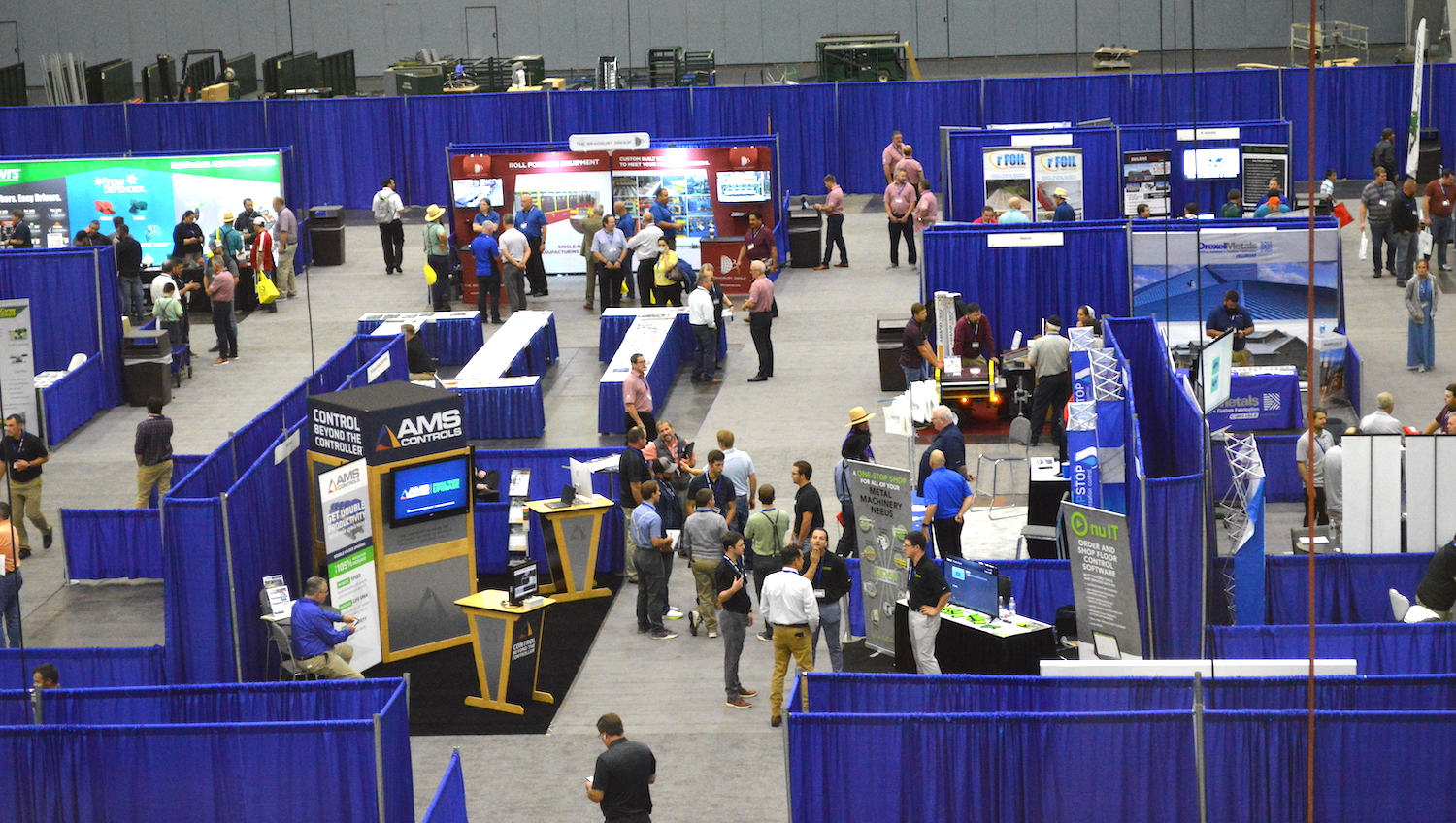
For B2B relationships, you’re going to want to focus more on outbound marketing, or a marketing strategy that pushes information about your business out rather than relying on your website or social media to pull customers in to you. Outbound marketing can look like email outreach, attending tradeshows, and posting on LinkedIn.
Because consumers are more likely to find you on a Google search, and because your B2B customers will eventually land on your website, there are some important things you need to make sure you have optimized and owned on your website spaces before you begin reaching out to potential customers.
1. Define Your Products and Capabilities Clearly
Overall, your website should answer contractor questions in 30 seconds: What do you roll? How fast? How do I order?
For consumers, at minimum, you should make sure you’re including information on what profiles and colors, gauges and material options, and standard trims or custom capabilities are available.
At the same time, your site’s content should emphasize lead time, turnaround time, delivery, and other logistics like warranty. These details matter to contractors and those who want to provide the best possible service to their own customers.
Contractors are going to care a lot about price, delivery, and fulfillment capabilities, while consumers are going to care more about visuals and project examples. Your website should demonstrate your trustworthiness in both areas.
2. Visual Proof: Show Panels in Real Applications
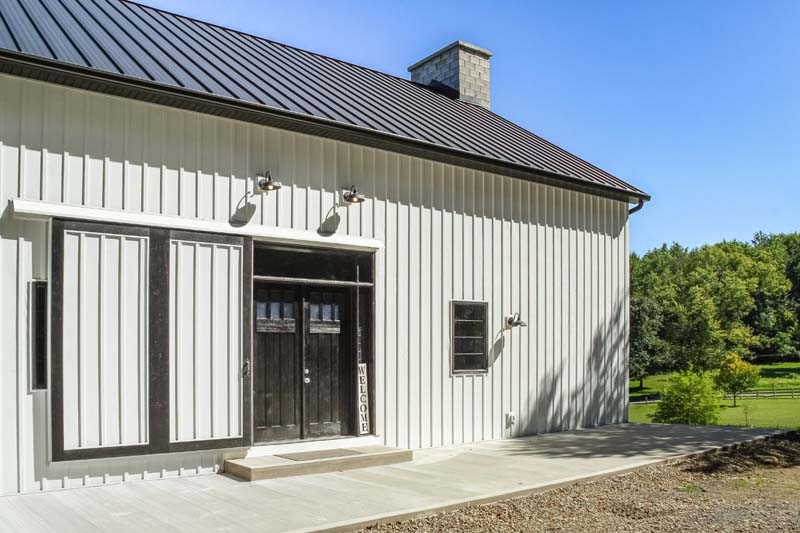
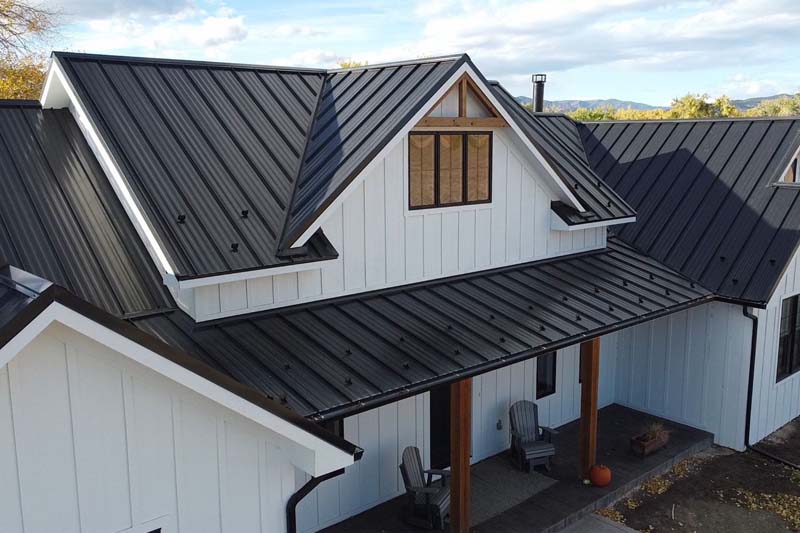
Rollformers sell materials or components, not finished buildings. Therefore, it’s important for you to show what profiles, colors, and gauges are available. At the same time, it is helpful if you can also show images of the products in completed buildings.
In general, for B2B buyers, visuals matter less than logistics like pricing, lead times, and reliability. But we’re all human, and photos tell stories and improve trust and credibility in a product.
Visually, for Contractors, be sure to include:
• profile diagrams + installed examples
• delivery process
• ordering portal screenshots
Visually, for Consumers, include:
• finished roofs/buildings
• color visualizer
• project gallery
One other feature that can be useful on websites for both contractors and consumers is a featured projects gallery. Highlighting jobs that were completed by your contractor partners using your panels helps consumers see examples of products in real projects. A gallery is also a nice way to support your contractor partners’ work.
3. Build the Right Call to Action
The call to action (CTA) on your website should make it clear what you want buyers to do next. For most rollformers, that action isn’t “buy now”, it’s request a quote or start a conversation.
Including an easy-to-access quote request form, as well as a phone number, creates a simple path for both contractors and consumers to reach out. The fewer steps it takes to request pricing or information, the more likely visitors are to follow through.
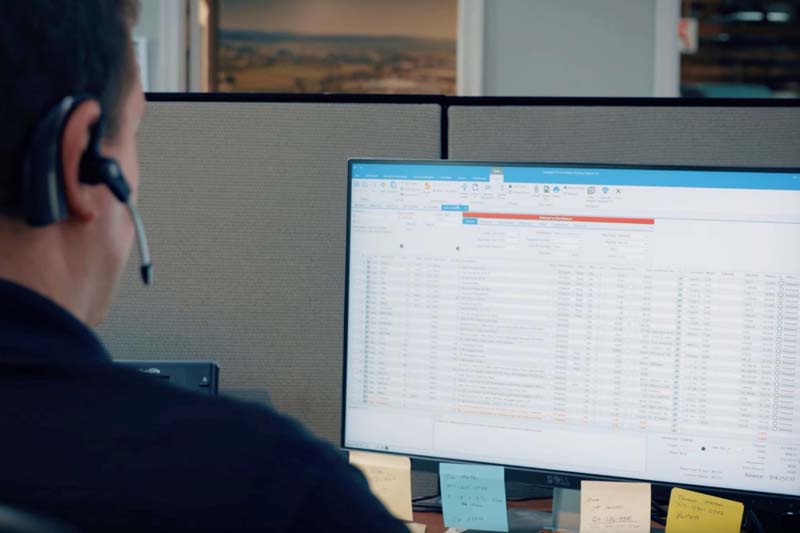
If you’re selling to contractors, you might also want to use a tool that allows contractors to submit orders directly. A contractor or order portal directly on your site is helpful to reduce office workload. Tools like Paradigm ERP (https://goparagon.com/paradigm-erp/) make this possible and simplify the process for everyone!
4. Strengthen Your Local SEO
In a rollforming operation, Local SEO and your Google Business Profile will play a significant role in your marketing efforts. Most often, panels are rolled fairly near the final job site; they are rarely transported across the country. Therefore, people are going to look for a rollformer who is in their region to provide their panels.
To optimize your Local SEO, make sure information about your business is clear and consistent across platforms. Your business name, address, phone number, and website URL should be listed exactly the same on your website, your Google Business Profile (GBP), your social media, and on any other local directory you might be on.
You also want to make sure that your website itself clearly lists the service area that you operate in, so that search engines have another indicator of which regions they should be showing your website to searches in.
5. Leverage Reviews, Testimonials, and Case Studies
If you’re working with contractors, other contractors are going to want to know you provide a smooth experience. Same for consumers. Reviews and testimonials are essential for trust and for bumping up your ranking in Google search results. Google favors businesses with more recent and higher numbers of positive reviews.
Case studies and project examples are another way to show proof of execution and reliability. These will help show the types of jobs that you do and the types of packages that you deliver. You want to show that you do this work, can do the type of work that someone is looking for, and that you have successful products and deliveries under your belt.
How to Attract New Contractors
Contractors rarely start by searching for a new rollforming partner. You need to stay visible and prove your credibility before they need a supplier, so that your shop is the first name in their mind when they’re ready for a new supplier. Showcasing your equipment and capabilities online can attract new orders in the long run.
Videos: Let the Machine Do the Talking
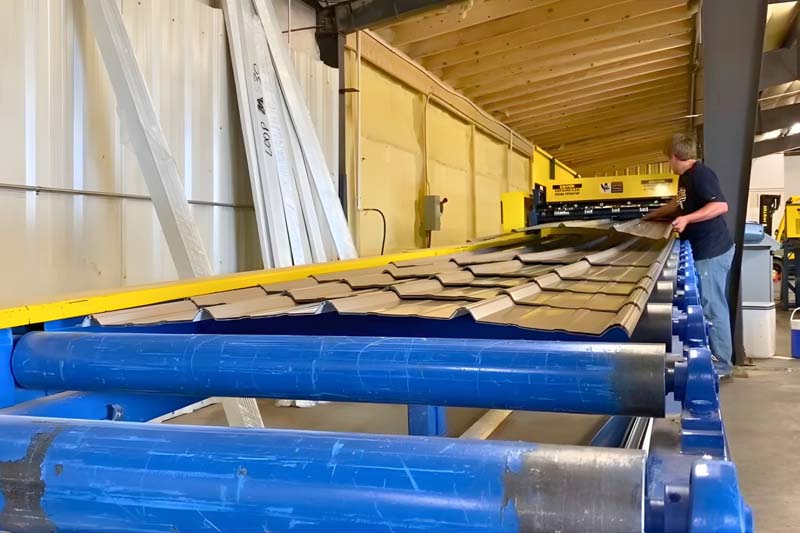
Video can also help close the gap with B2B buyers, not by showing every hydraulic detail, but by demonstrating professionalism, scale, and the customer experience.
A simple shop or delivery walkthrough, combined with real-world installed examples, can reinforce trust and make it easier for contractors to choose you.
LinkedIn: Be Where Your Buyers Are Online
LinkedIn can be especially useful for reaching architects, general contractors, and suppliers in your region. Posting updates about new products, available profiles, or recent projects helps keep your shop visible to other professionals who may need a rollforming partner.
Direct Outreach: Build Relationships Early
In many cases, contractors communicate through email long before they search for a new supplier. Targeted cold outreach to contractors in your service area can be an effective way to introduce your business and start new conversations, especially when supported by a strong website and clear product information.
How Buyers Find RollFormers Today
You run a successful roll-forming business because you’re good at staying up to date with technology and the needs of metal builders. Digital marketing is just another way to extend your investment in your business and customers. The shops that can show their work online and reach out successfully to contractors and consumers will gain more than searches and attention; they’ll win trust.